Chocolate Brown Accessories Expanded. Black Still Covers More.
Brown now runs through everyday bags, belts, and shoes rather than appearing as an autumn accent. Its value depends on the colors already doing the work in your closet.
October 3, 2026 · 7 min read
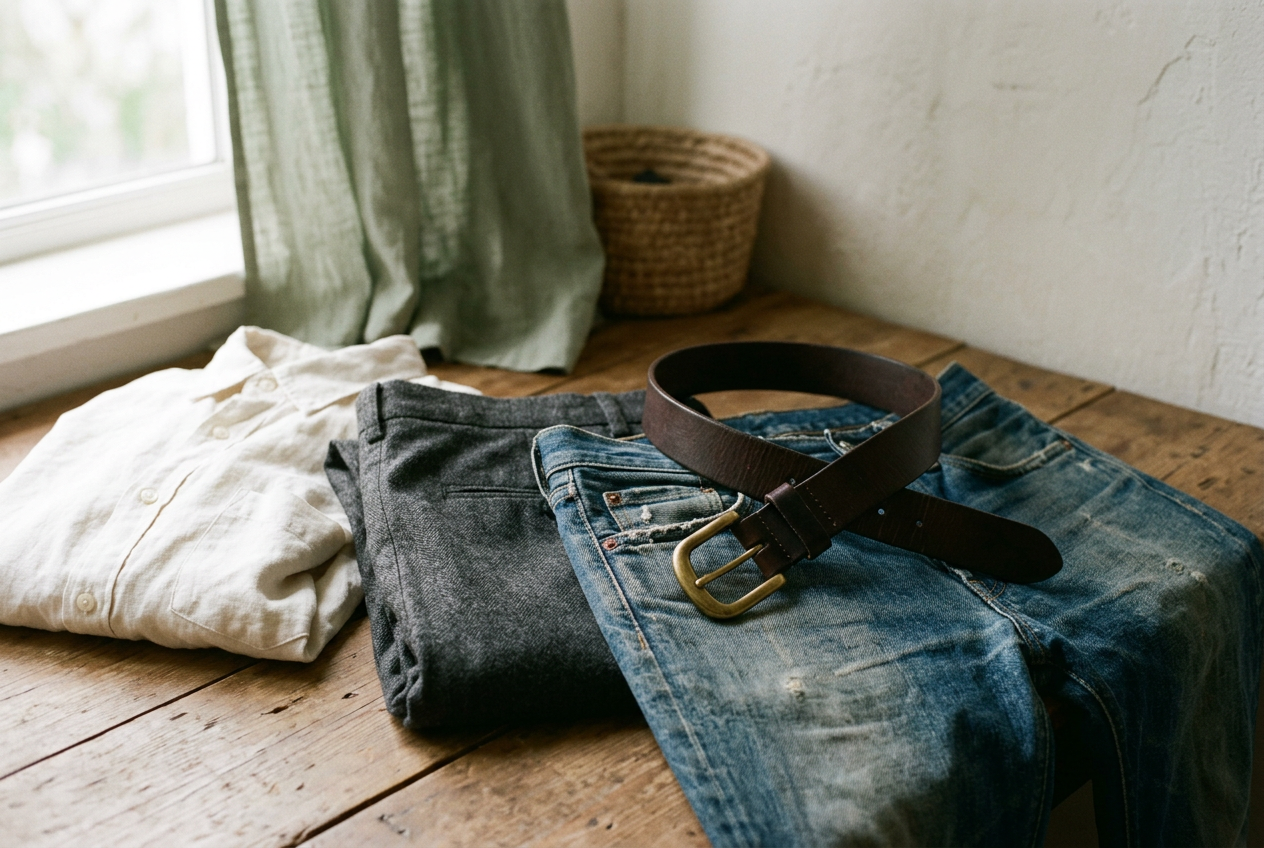
A 28 mm smooth-leather belt has been my useful test case: dark chocolate, softly rounded at the edges, with a small brushed-brass buckle. I wore it for a week with the same mid-rise straight jeans, changing only the shirt, jacket, and shoes, because a belt sitting between a top and trousers exposes a color mismatch faster than a bag carried away from the body.
With faded denim and an ivory shirt, the belt looked settled. Against charcoal trousers and a blue-white poplin shirt, it looked like an extra decision. Black handled that outfit without asking anything else to join it.
That distinction matters more than the general claim that brown is back. This is unisex coverage: the color test applies across wardrobes, though the exact width and length of a belt still need to work with the loops and rise of the trousers being worn.
The assortment has expanded unevenly
A review of current US online assortments at department stores and mainstream fashion retailers shows chocolate brown appearing across structured shoulder bags, soft totes, narrow belts, loafers, ballet flats, sneakers, sandals, and occasion shoes. It no longer sits only beside camel coats and fall boots.
Black still has greater range at the practical edges. There are more choices when the requirement becomes a weather-resistant commuter bag, a formal shoe, a technical sneaker, or a belt with silver hardware and a very plain buckle. Brown has made its clearest advance in pieces where color and leather are already part of the appeal, especially compact bags, loafers, and simple belts.
The quality difference is easier to see in brown. Black dye can visually flatten uneven grain, edge coating, and stitching; medium or warm brown exposes them. Edge paint, the flexible coating that seals a cut leather edge, should look smooth around a belt tip and bag handle rather than thick, rippled, or noticeably darker than the leather. On inexpensive shoes, a brown synthetic upper can also show creasing as pale lines, while black tends to conceal the same wear.
For that reason, the lowest-risk brown purchase is usually a belt. It tests the color in a small area, costs less than a substantial leather bag, and can be replaced without rebuilding an outfit around it. Shoes demand more commitment because they repeat at both feet and sit beside the trouser hem. A large tote creates an even broader block of brown.
The belt test across four wardrobe colors
Navy gave the chocolate belt its strongest result. With an inky navy suit, black shoes and a black belt still looked sharper, particularly when the shirt was crisp white and the hardware was silver. With softer navy trousers, denim shirts, knit polos, or an unstructured blazer, dark brown removed some of the formality without turning the outfit rustic. The brushed-brass buckle helped because its warmth belonged with the leather; a bright chrome buckle would have made the pairing less resolved.
Gray split according to temperature. Heather gray and brown were easy together, particularly with suede shoes or a pebbled-leather bag, since both materials absorb light and keep the contrast quiet. Blue-gray and charcoal favored black. When I put the chocolate belt through charcoal trouser loops, its warm red undertone became more visible, and the belt appeared separate from the outfit rather than integrated into it.
Denim remains brown’s most convincing case. Medium-wash and faded blue jeans can make black leather look harder than the fabric around it, while chocolate follows the softened color of worn denim. The test belt also avoided the obvious contrast of a black strip across a pale wash. Raw indigo was less decisive: brown gave it a traditional workwear direction, while black produced a cleaner result with black loafers or a minimal sneaker.
Summer whites need one extra distinction. Cream, ecru, stone, and undyed-looking cotton take brown naturally, and a chocolate sandal or small bag can provide definition without the high contrast of black. Optic white behaves differently. A bright white dress with black sandals looks deliberate and graphic; the same dress with a reddish chocolate shoe may need another warm note, such as tortoiseshell sunglasses or brass jewelry, to keep the shoe from appearing incidental.
The belt failed most clearly with blue-white poplin, charcoal trousers, and black shoes. Replacing it with black took seconds and removed the only warm element. That outfit is the reason brown cannot be treated as a universal black substitute.
Bags, belts, and shoes do different jobs
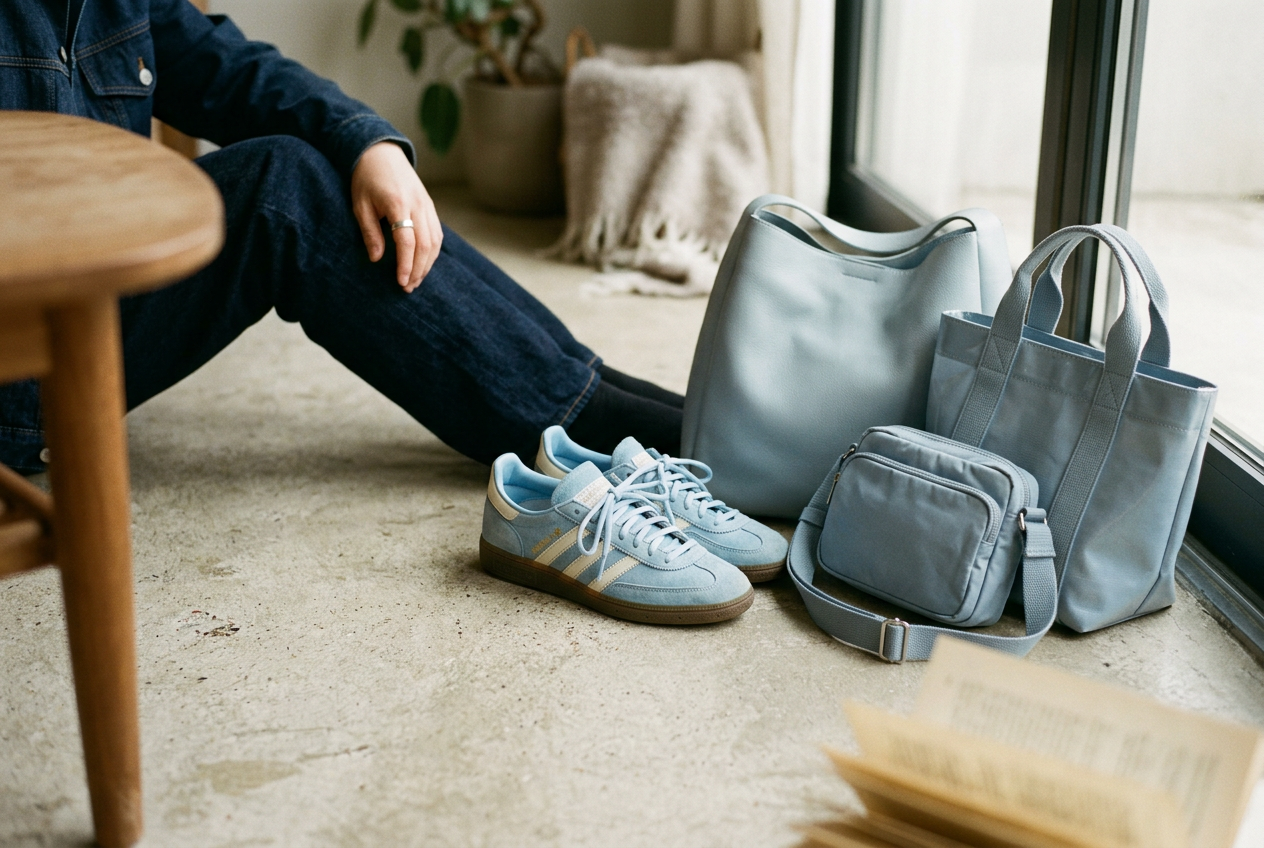
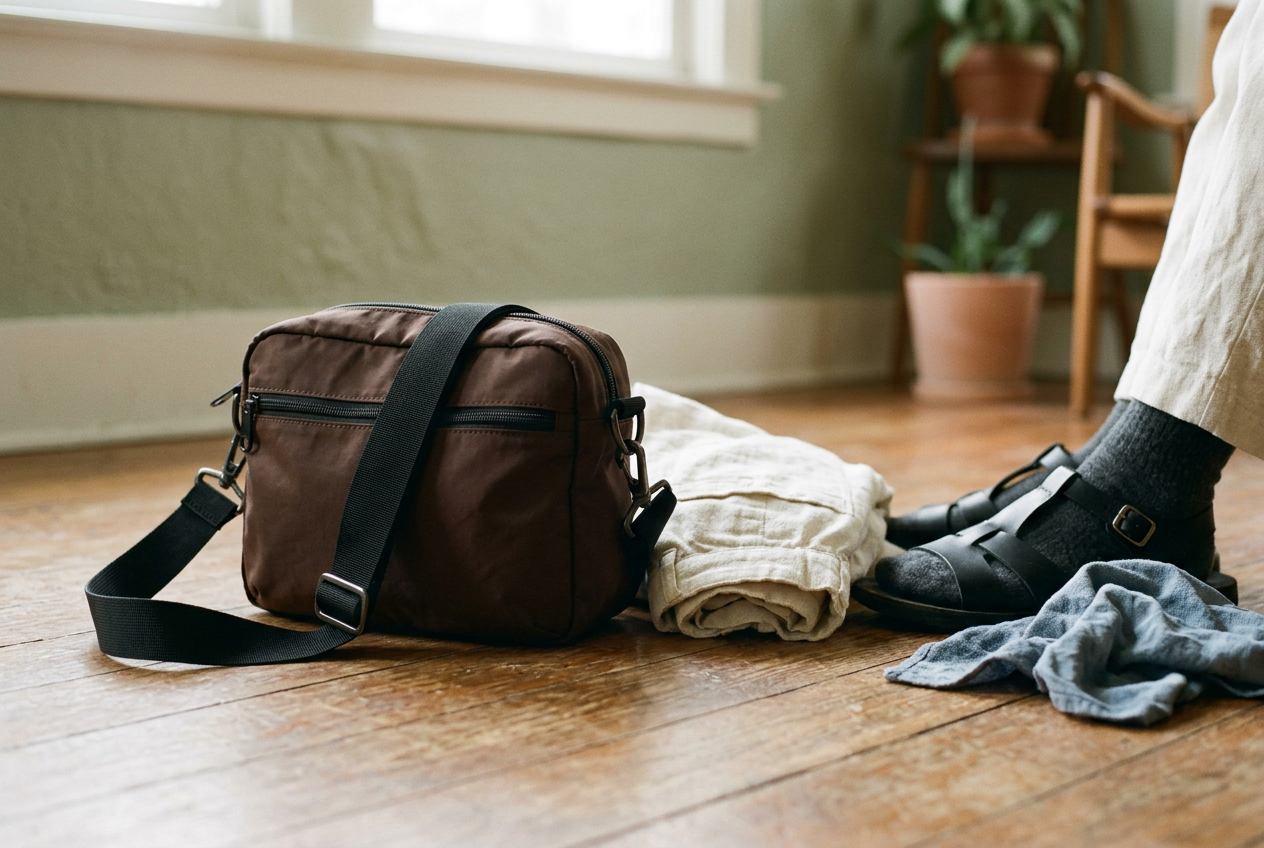
A brown bag is the easiest piece to use independently. It does not need to match a belt or shoe, and dark chocolate is deep enough to sit beside black outerwear without creating a loud contrast. Smooth leather reads more formal, while pebbled leather, meaning leather embossed or tumbled to create a textured surface, hides scratches better but can make a large bag feel heavier visually.
Belts are less independent because they touch the clothing on both sides. The useful width depends on the loops: a narrow dress belt can look underfed in wide denim loops, while a broad casual belt may buckle the waistband of lighter trousers. The 28 mm test belt worked with straight jeans and tailored pants, but it looked too substantial on a fluid summer dress with small thread loops.
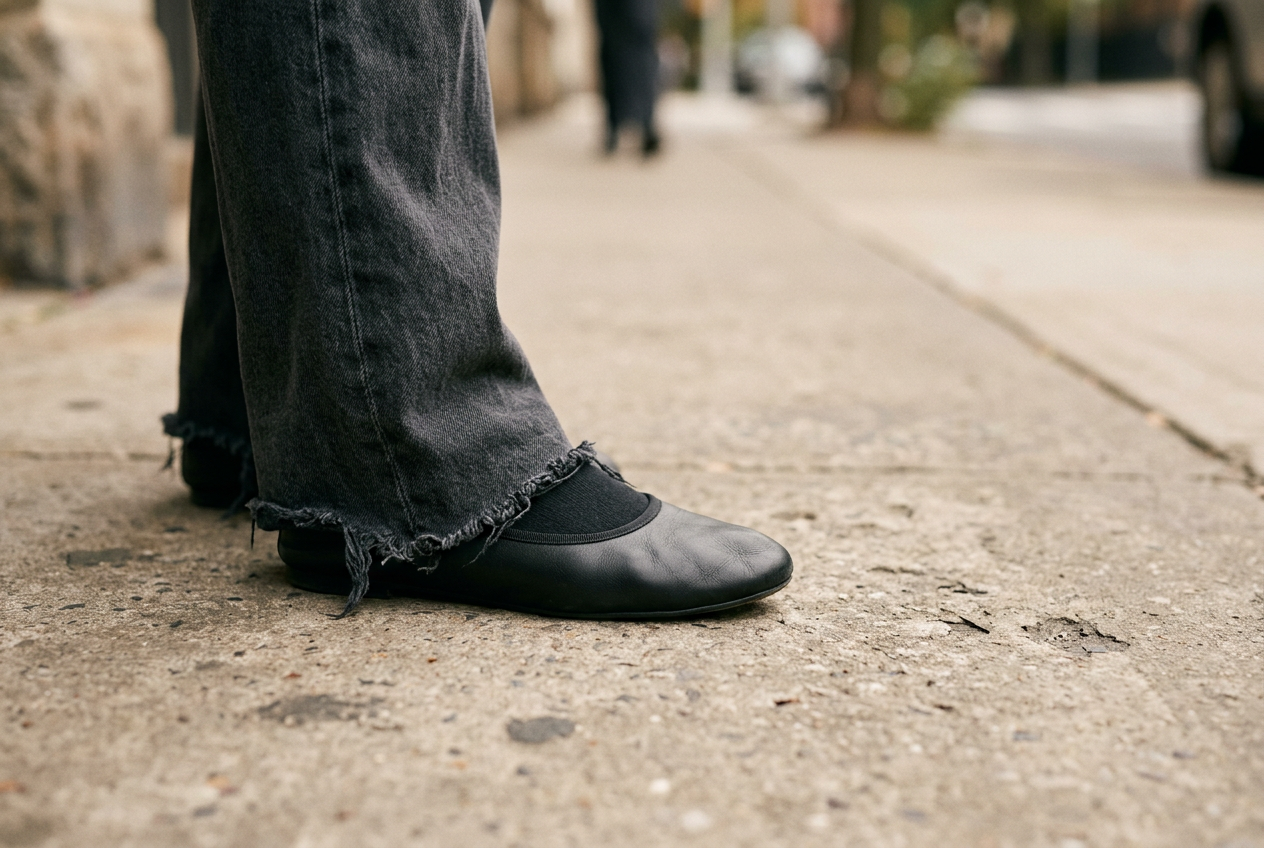
Brown shoes make the strongest claim. A chocolate loafer can bridge navy trousers and denim better than a black one, yet brown sandals with black clothing often need texture or exposed skin to soften the transition. Material matters here. Suede gives brown depth but dislikes rain and dusty sidewalks; polished leather handles a smarter outfit and wipes clean more easily.
Rubber soles improve grip, though a thick black sole can interrupt the very warmth that made the brown upper appealing.
Matching all three categories is unnecessary and can look overplanned. One brown anchor is enough. I had better results keeping the belt brown while leaving the bag in canvas or the shoes in off-white than repeating chocolate at every point.
The wardrobe-gap test
Start with the clothes worn most often, rather than the accessory assortment itself. Brown fills a gap when several recurring outfits contain navy, warm gray, faded denim, cream, olive, or linen, and black accessories repeatedly feel severe beside them. A single dark-chocolate piece can then connect clothes that already share muted or warm coloring.
Brown duplicates black when the wardrobe centers on charcoal, cool gray, stark white, black denim, or high-contrast tailoring. It may still be attractive, but it will require extra coordination instead of reducing it. Hardware offers another clue: frequent silver jewelry and chrome bag hardware generally keep black useful, while brass, gold, and tortoiseshell make dark brown easier to repeat.
The purchase order should follow the cost of being wrong. Try a plain belt first, then a shoe already known to fit, and leave the expensive bag until the color has survived ordinary outfits. At lower price bands, inspect brown closely for plastic-looking shine, pale creases, uneven edge paint, and stitching that wanders against the visible leather. If those flaws are obvious before wear, black will usually age more discreetly.
The substitution is still expanding on the retail floor, especially in softened tailoring and summer accessories, but wardrobe expansion is another matter. My chocolate belt earned its place with navy and faded jeans. It stayed in the drawer for charcoal.
Questions people ask
Can chocolate brown and black accessories be worn together?
Yes, particularly when each color has a separate job. A brown bag with black shoes is easier than a brown belt touching black trousers, because the bag sits away from the clothing. Keep the materials similarly polished or similarly casual so the difference reads as color choice rather than a formality mismatch.
Is dark brown as versatile as black?
Dark brown is close when a wardrobe contains navy, denim, cream, olive, and warm gray. Black remains more dependable with charcoal, optic white, evening clothes, and technical footwear. Brown’s advantage is reduced contrast; black’s advantage is that it rarely needs another warm element to explain it.
Which brown accessory should I buy first?
A simple leather belt is the most economical test, provided its width suits the trouser loops you wear. Choose dark chocolate over tan if the goal is to replace some black outfits, and inspect the buckle finish, edge paint, and holes closely. A bag comes next because its color can operate more independently.
Do brown shoes need to match a brown belt?
No. Exact matching can look rigid, and different leathers rarely stay identical after wear. Keep the colors within the same general depth, or let one piece sit clearly lighter than the other. A dark-chocolate belt with medium-brown suede shoes is usually easier than two near-matching reddish browns that miss by a small amount.
One update a day
Today's fashion update, in your inbox
One fashion update each morning — no hype, no filler, just pieces worth wearing.