Footwear
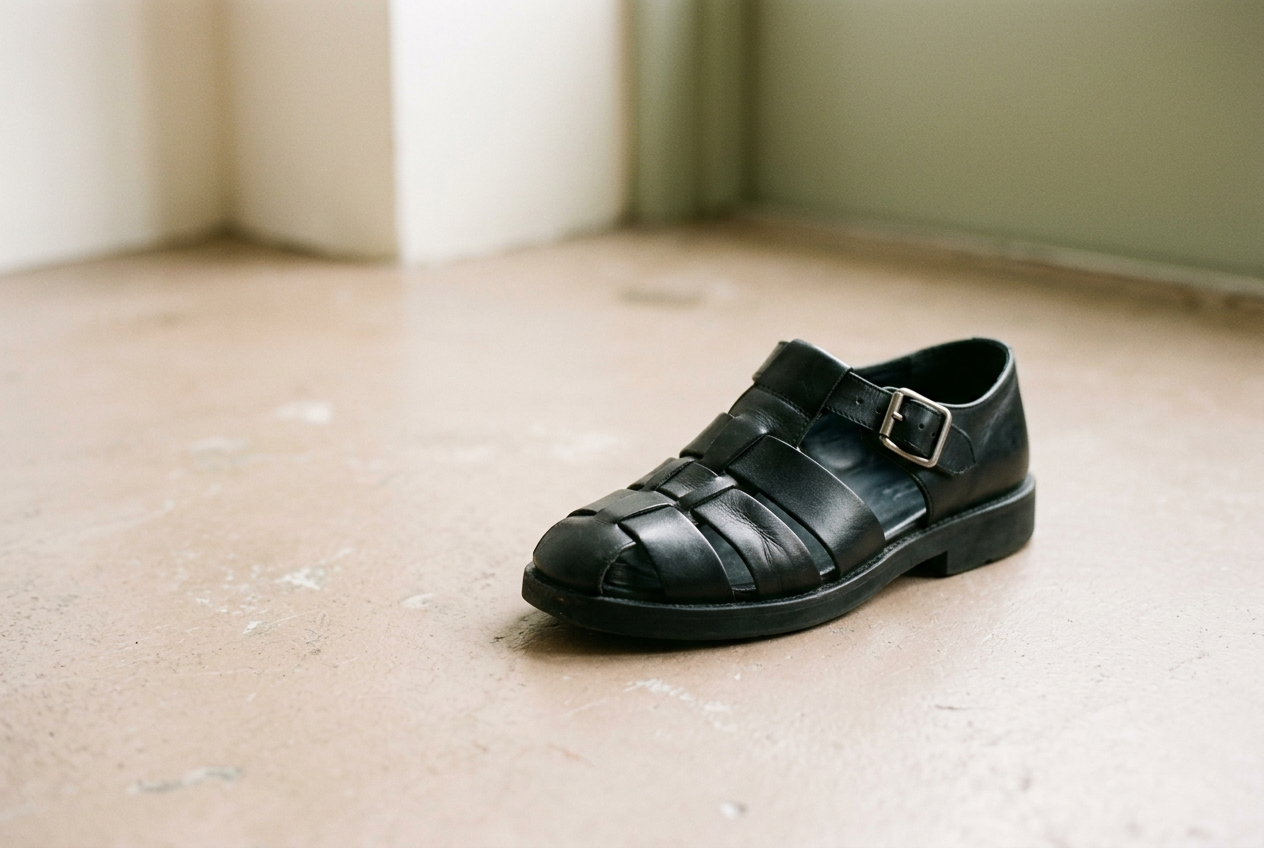
The right cage fit protects toes while letting the shoe bend with your foot. Sizing up may add room, but it can put the sole’s flex point in the wrong place.
Dez Ferraro · 7 min read
Footwear
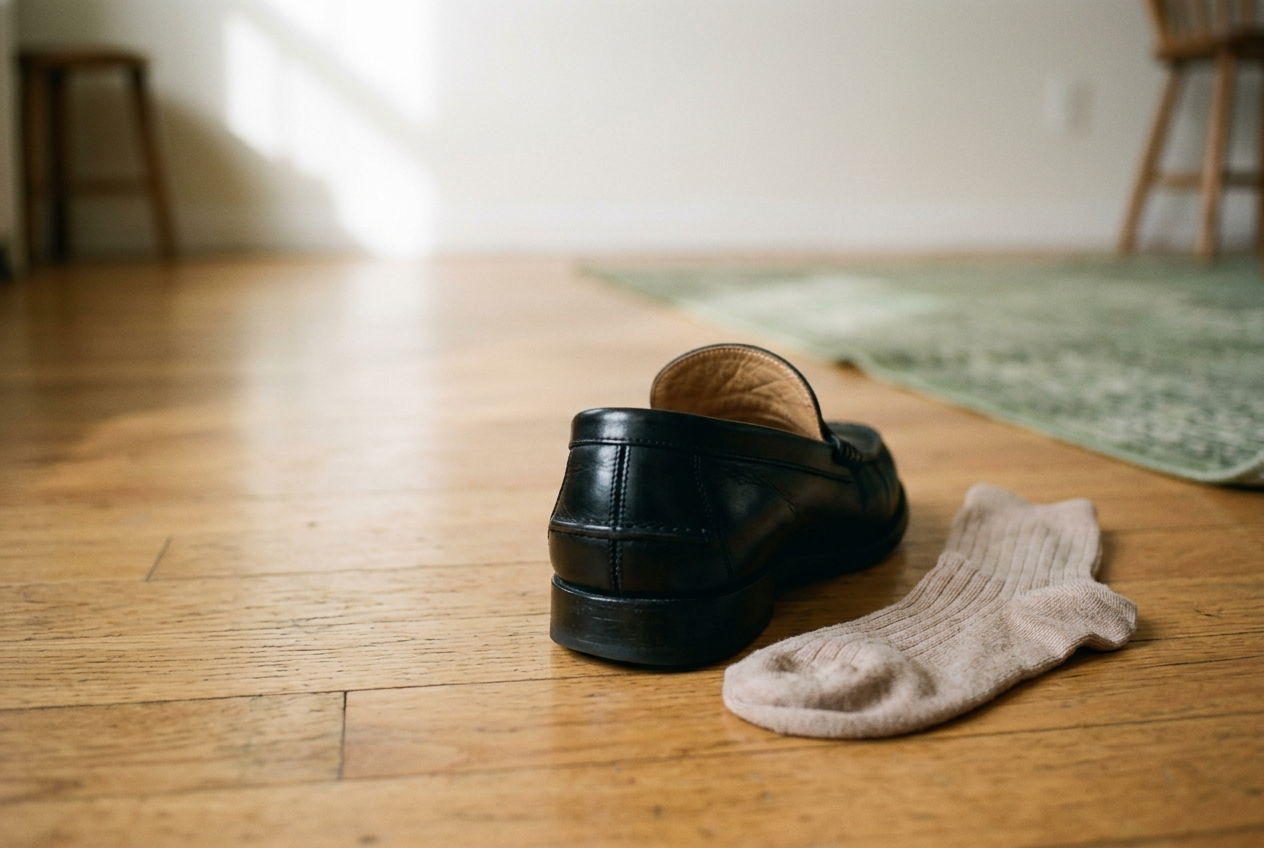
A heel counter can feel firm because it is new, or rub because its curve never suited your foot. This indoor test separates break-in from a returnable fit problem.
Dez Ferraro · 8 min read
Jewelry & Accessories
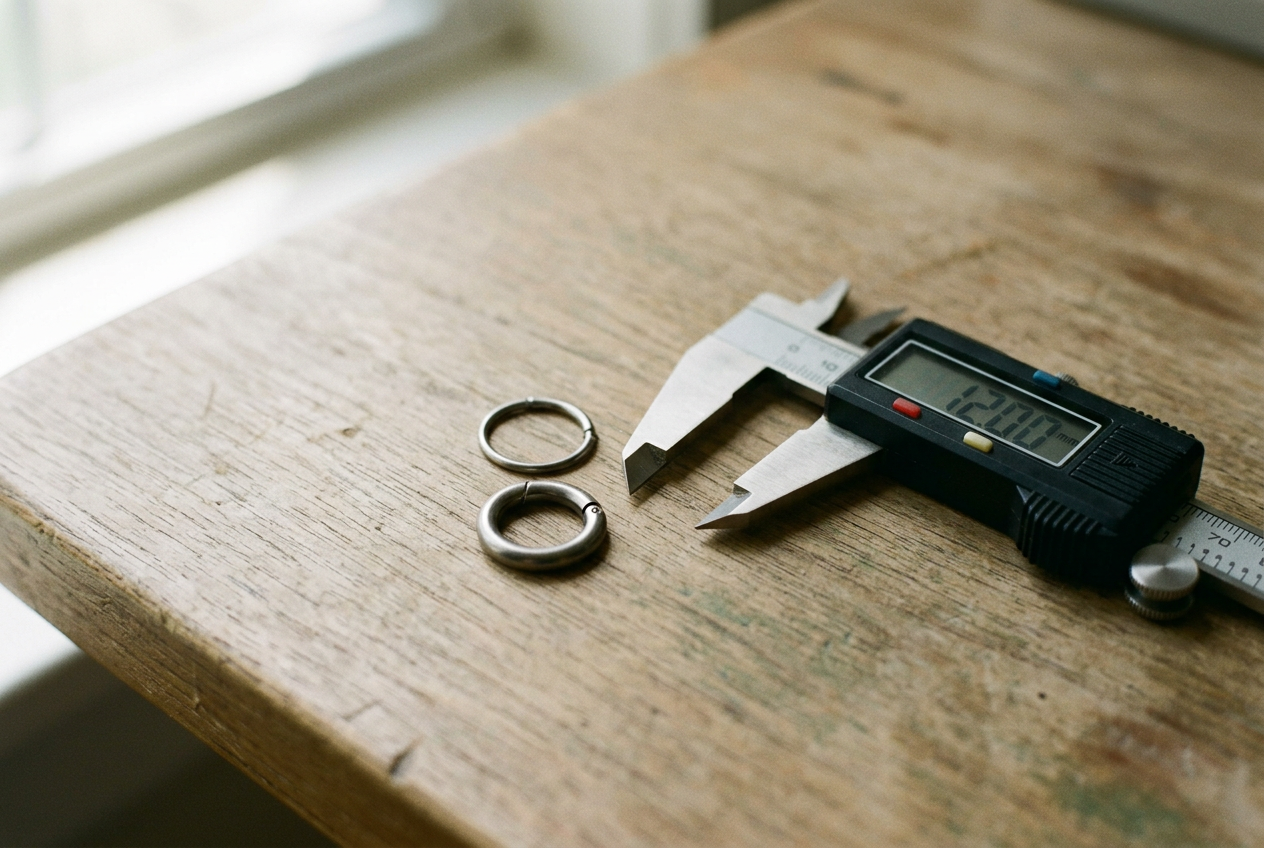
Hoop diameter tells only half the fit story. Wire gauge, closure space and the hoop’s path past your jaw can make the smaller pair less comfortable.
Margot Lane · 8 min read

Style Notes
A dense knit matters more than a premium claim. Four quick checks reveal whether a white T-shirt will turn sheer, lose shape or look worse when sized up.
June Park · 8 min read
Jewelry & Accessories
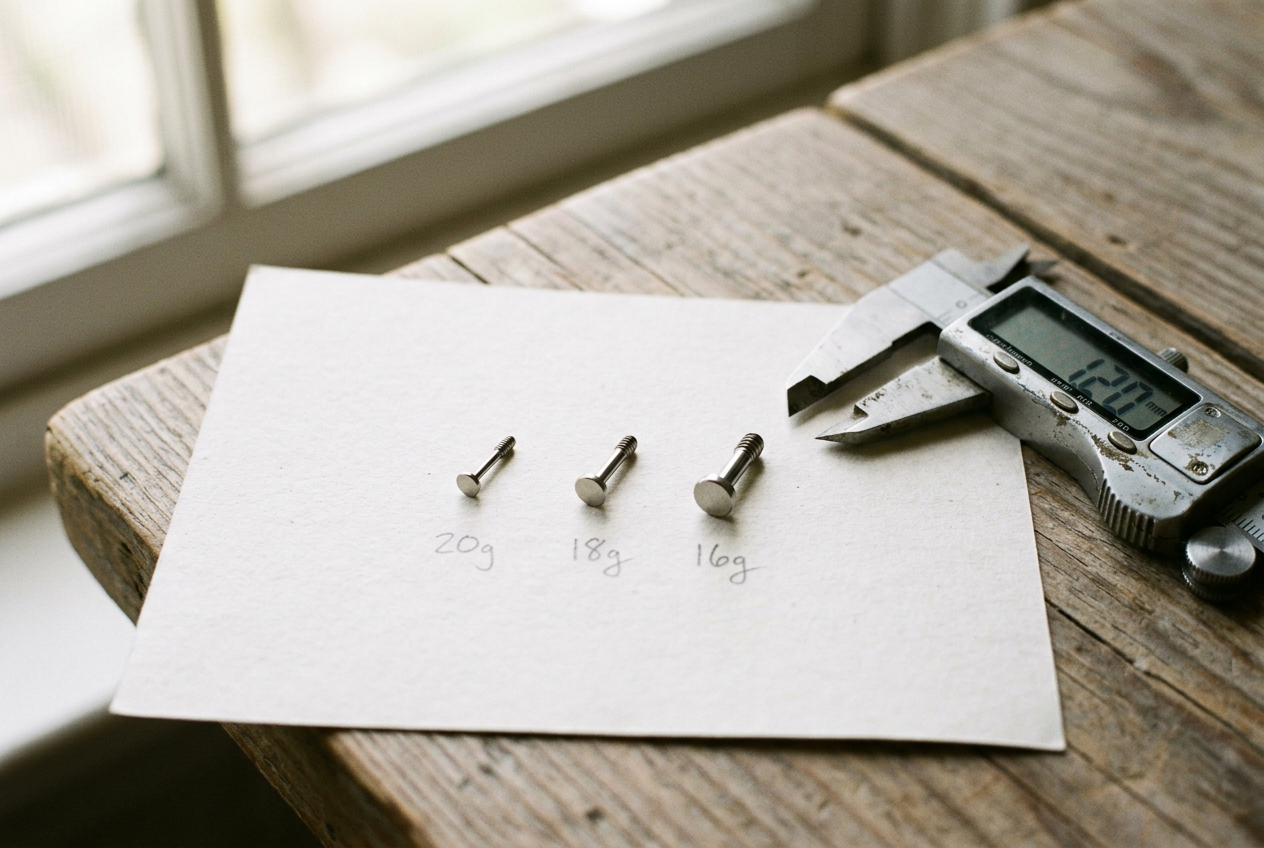
A post can look familiar and still be too thick for your piercing. Here is the measurable difference between 20g, 18g, and 16g, plus a printable comparison.
Margot Lane · 8 min read
Jewelry & Accessories
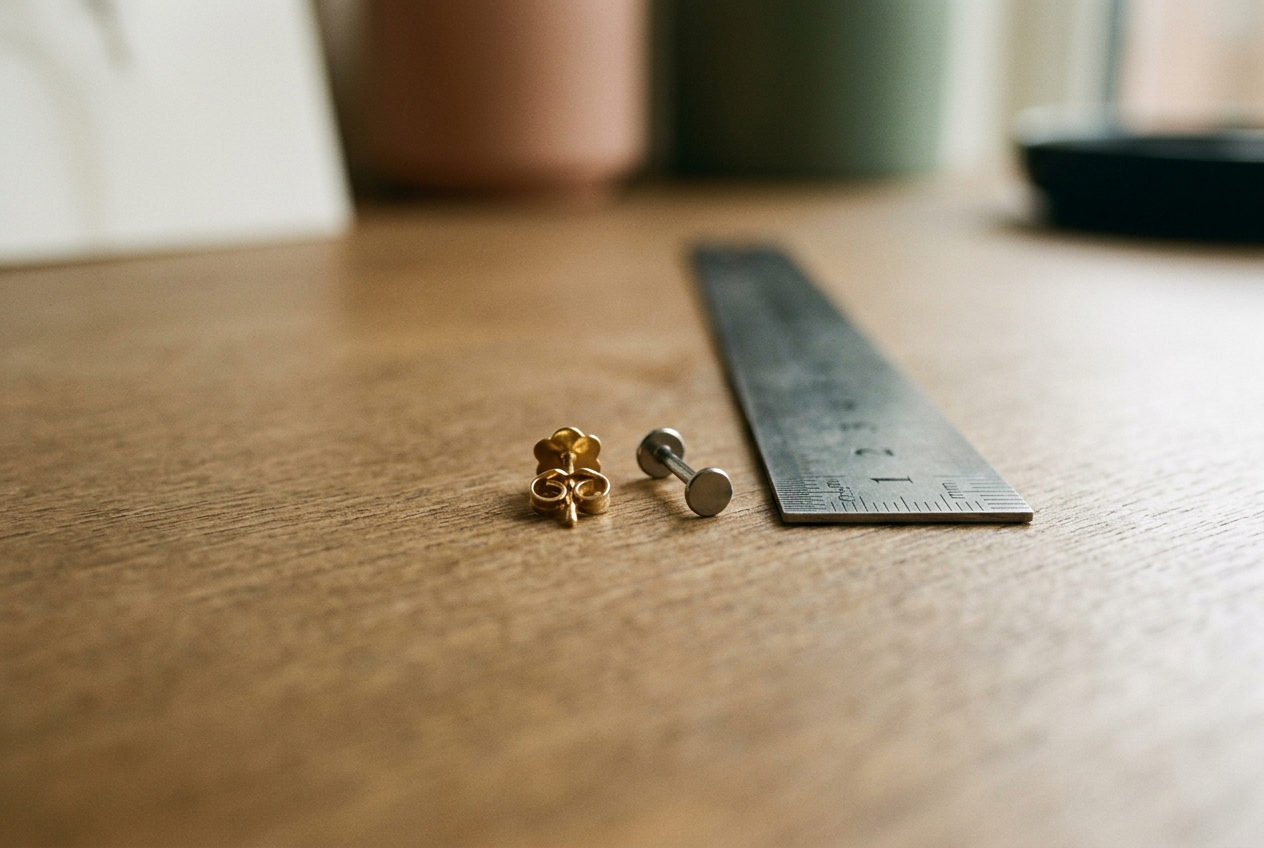
An 18-gauge post is 0.2 millimeters thicker than a 20-gauge post. That small change can meet real resistance in a piercing accustomed to thinner jewelry.
Margot Lane · 7 min read

Style Notes
The word poplin does not guarantee coverage. A quick check of the yarns, color, finish, and fit will tell you more than weight or crispness alone.
June Park · 8 min read
Style Notes
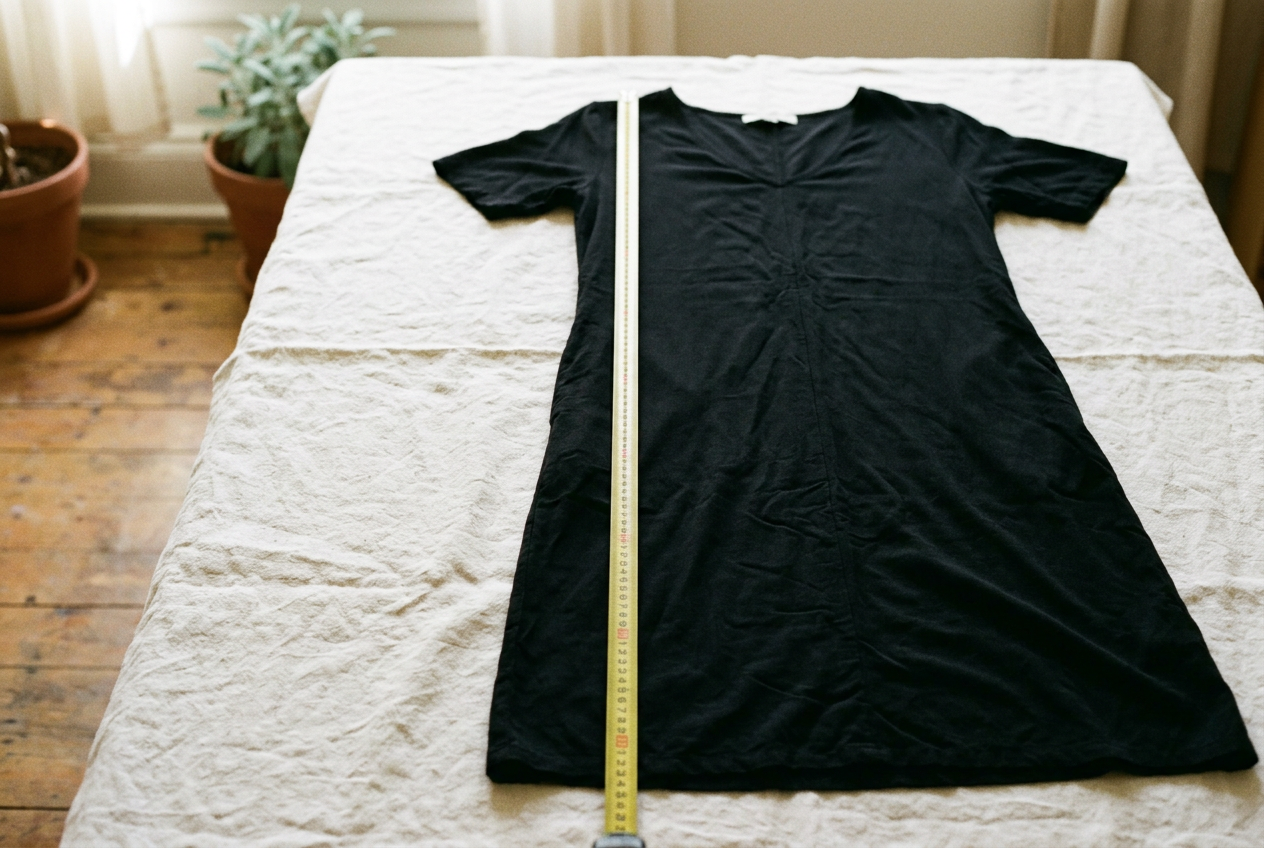
Viscose can lose its shape when wet, especially if a dress hangs while drying. Read the label first, dry it flat, and check the seams while you can still return it.
June Park · 8 min read
Footwear
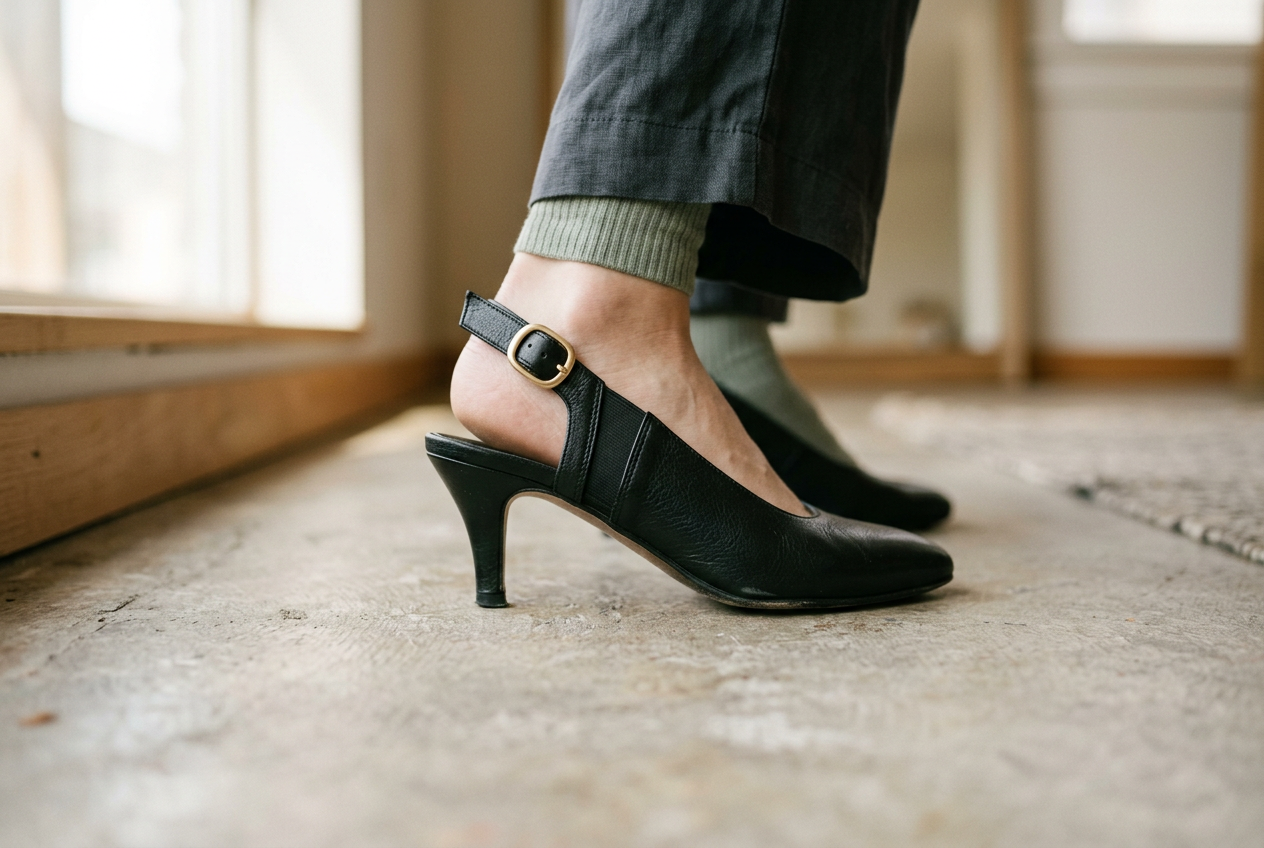
Sizing down may crowd your toes without securing the strap. Check its angle, heel curve, elastic and buckle range before blaming the number on the box.
Dez Ferraro · 8 min read
Trend Watch
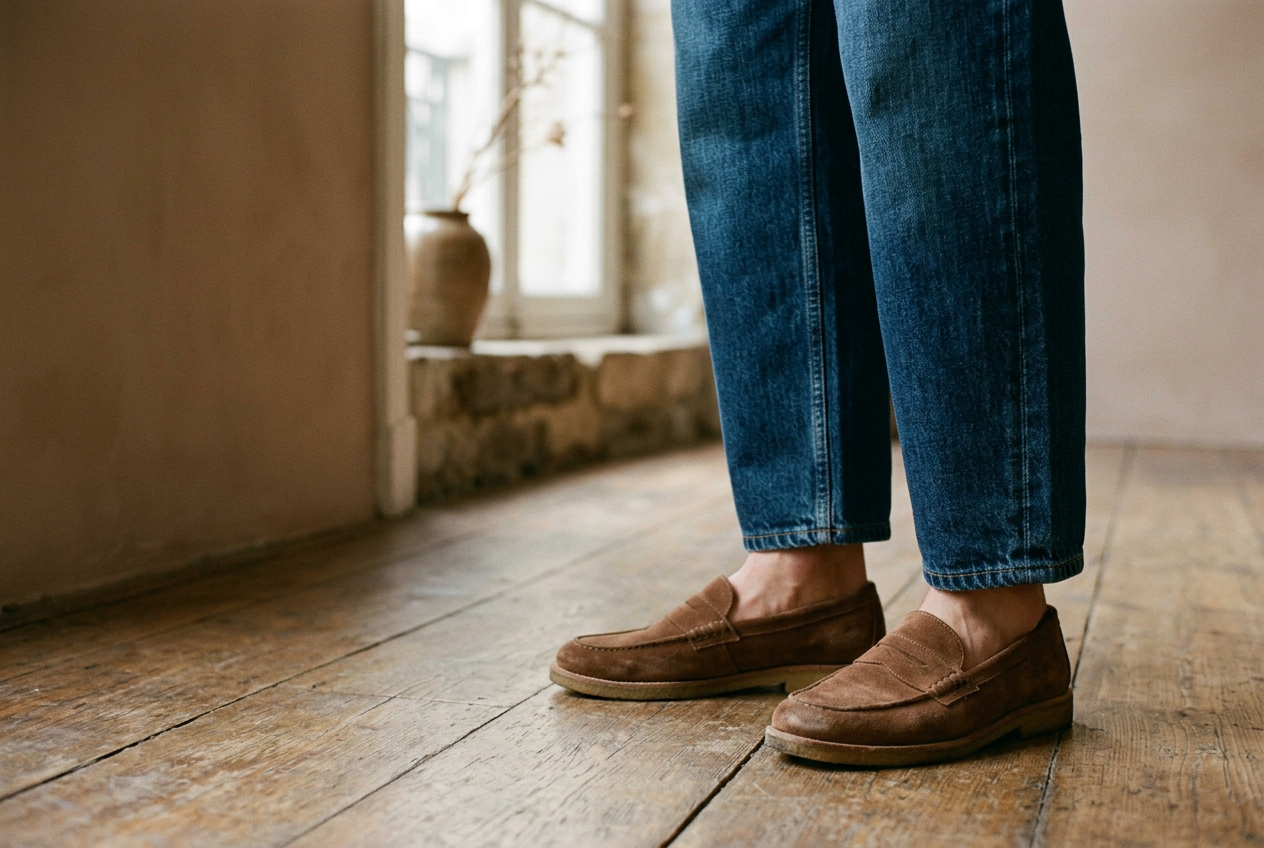
Barrel jeans now turn up often enough secondhand to buy selectively. The best used pairs retain their tapered hem, need no major shortening and work with shoes already in your closet.
Iris Mbeki · 7 min read
Jewelry & Accessories
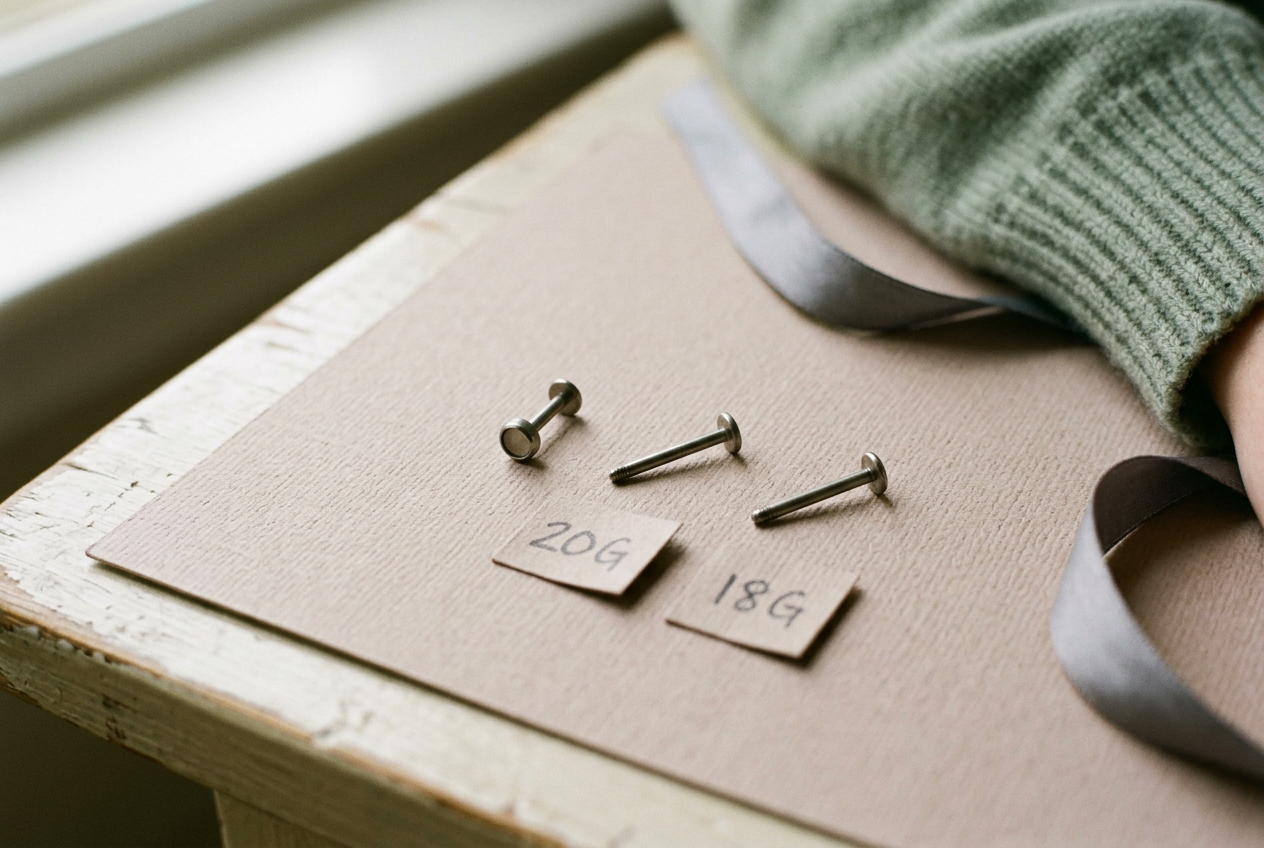
A 20-gauge post is thinner than an 18-gauge post. If it stalls in a healed piercing, the problem may be the channel, the jewelry’s construction, or its labeling.
Margot Lane · 7 min read
Style Notes
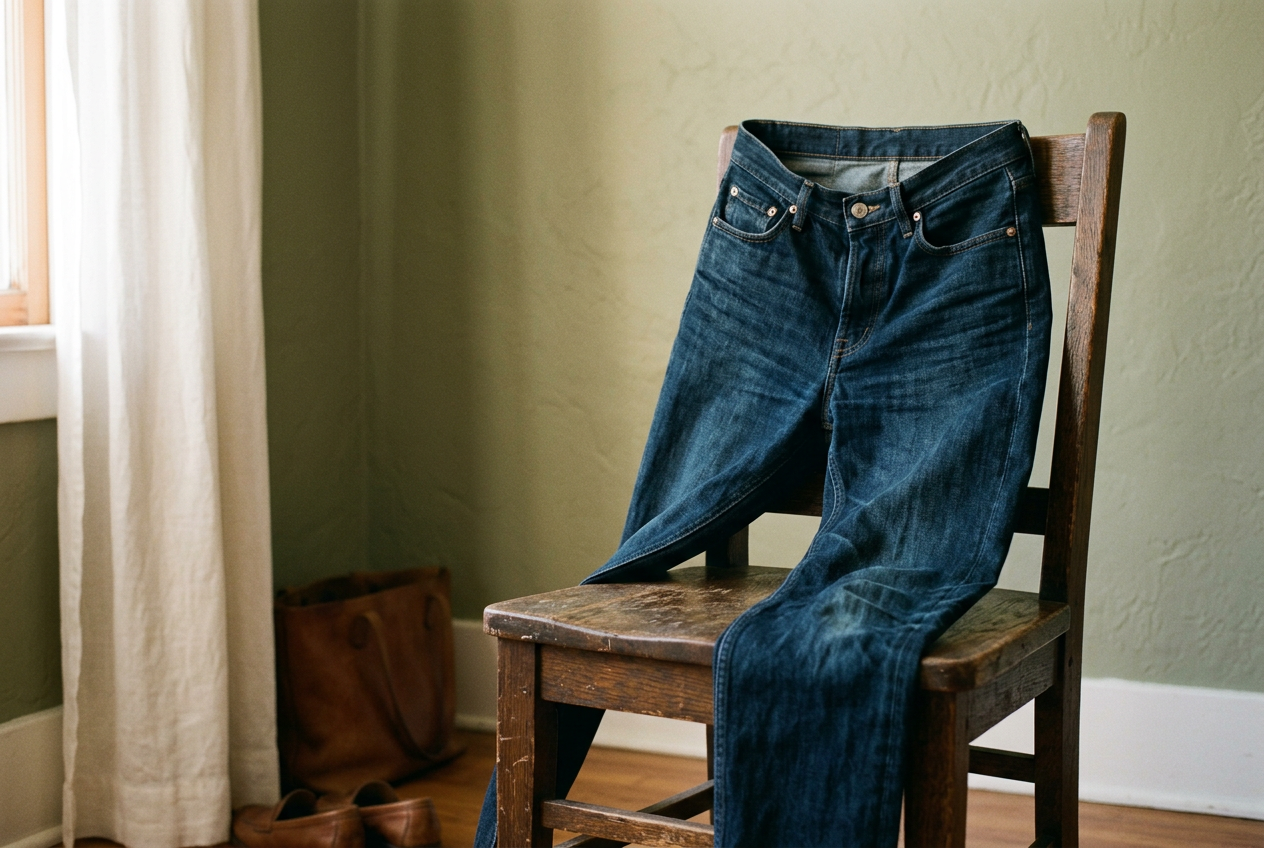
Stretch does not guarantee shape retention. The care label, rise and pressure across the thighs reveal whether a smaller size will hold or become uncomfortable.
June Park · 7 min read

Style Notes
A crisp shirt can look correct in the mirror and pull open at the bust once you sit. The useful clues are button placement, available ease and what happens when the hem is tucked.
June Park · 7 min read
Jewelry & Accessories
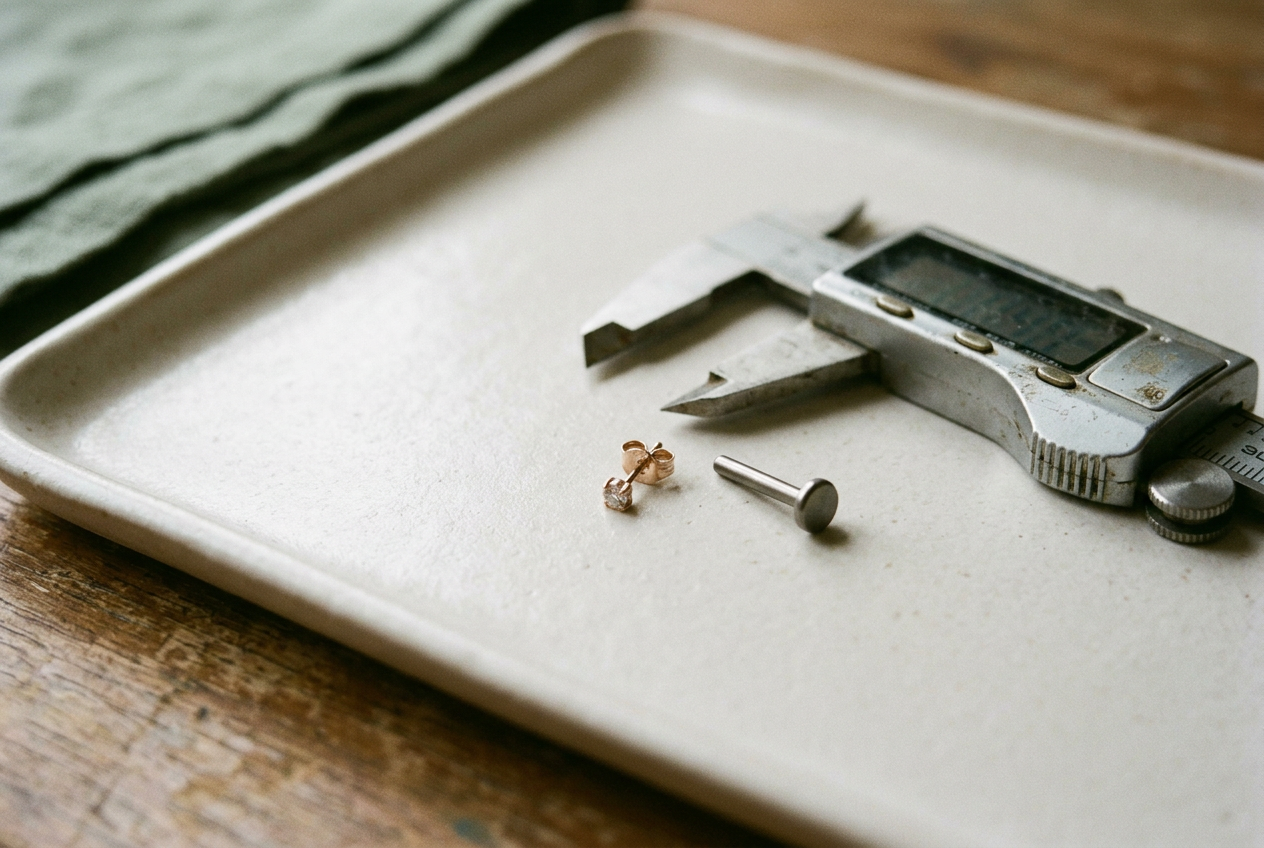
A 16-gauge post is 1.2 millimeters thick, which can be too wide for a piercing accustomed to a slim fashion stud. Read the measurement before ordering, and do not force the upgrade.
Margot Lane · 8 min read

Style Notes
A shirt can look smooth at rest and pull open as soon as you move. This fitting-room check reveals weak button placement, insufficient bust room, and plackets that will not stay flat.
June Park · 7 min read
Jewelry & Accessories
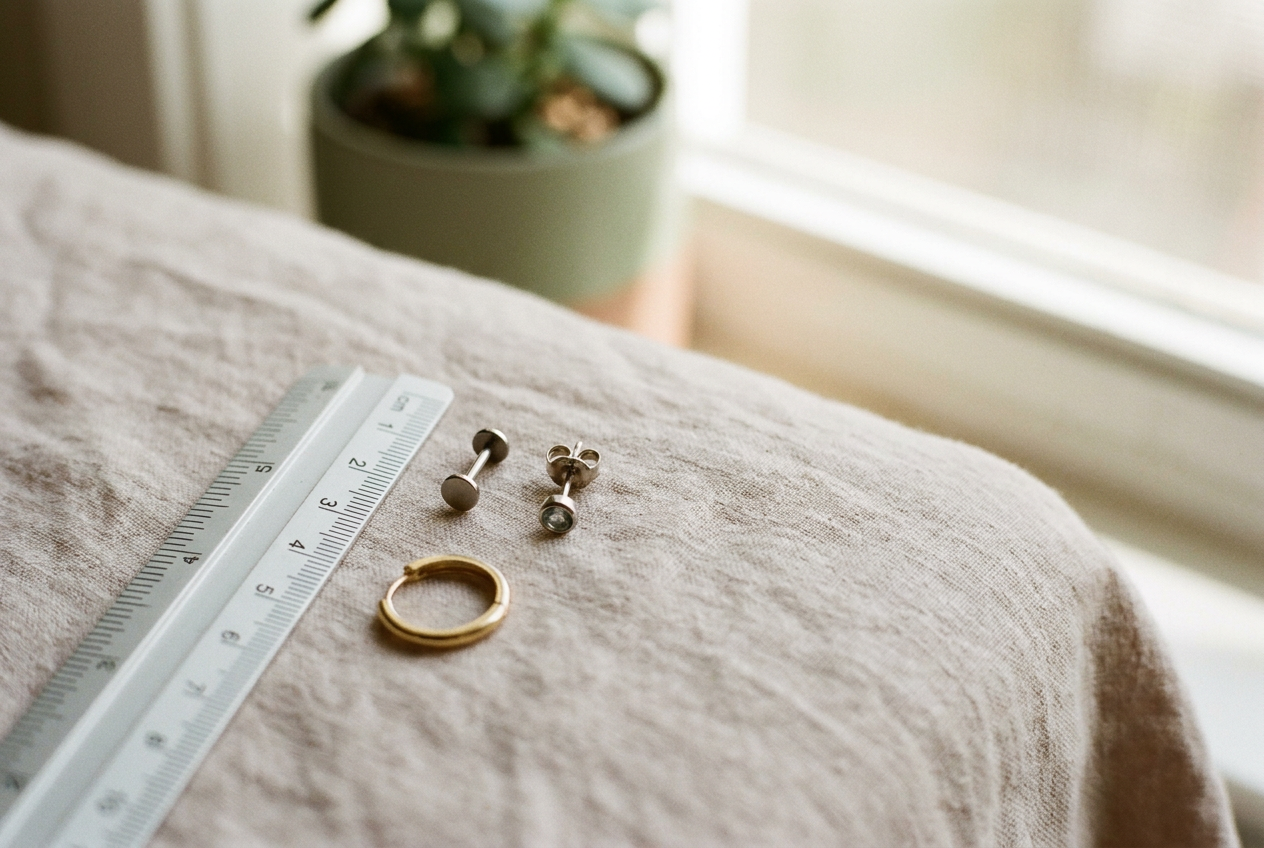
An 18g post is only 0.2 millimeter thicker than a 20g post, but it occupies much more space. Check the millimeter size, post system and top before buying.
Margot Lane · 7 min read

Style Notes
A jumpsuit can match your bust and hip measurements yet still pull through the crotch. This fitting check catches a too-short torso before the zipper takes the strain.
June Park · 7 min read
Trend Watch
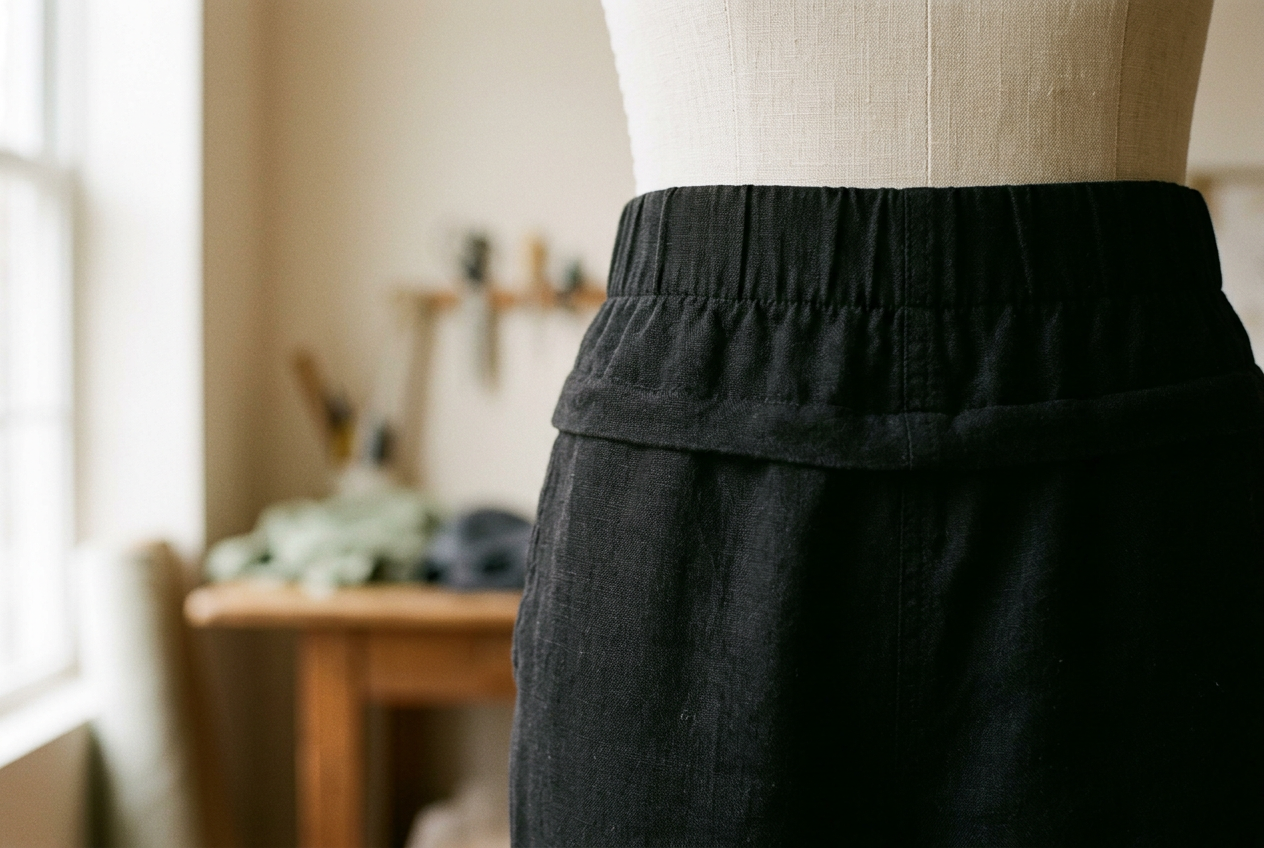
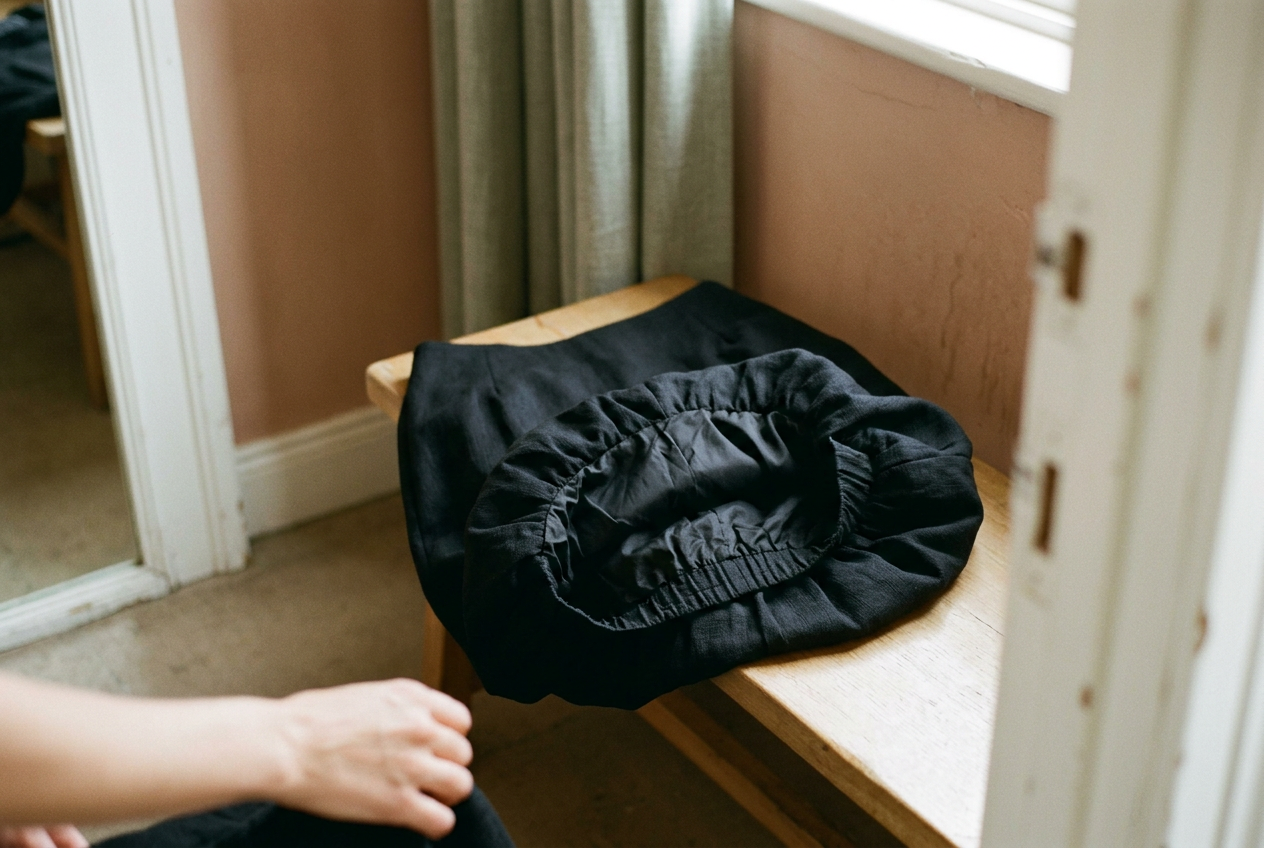
Elastic can bounce back, fixed tucks hold a firmer outline, and short linings create volume with less hardware. The difference becomes clear after 20 minutes in a chair.
Iris Mbeki · 8 min read
Jewelry & Accessories
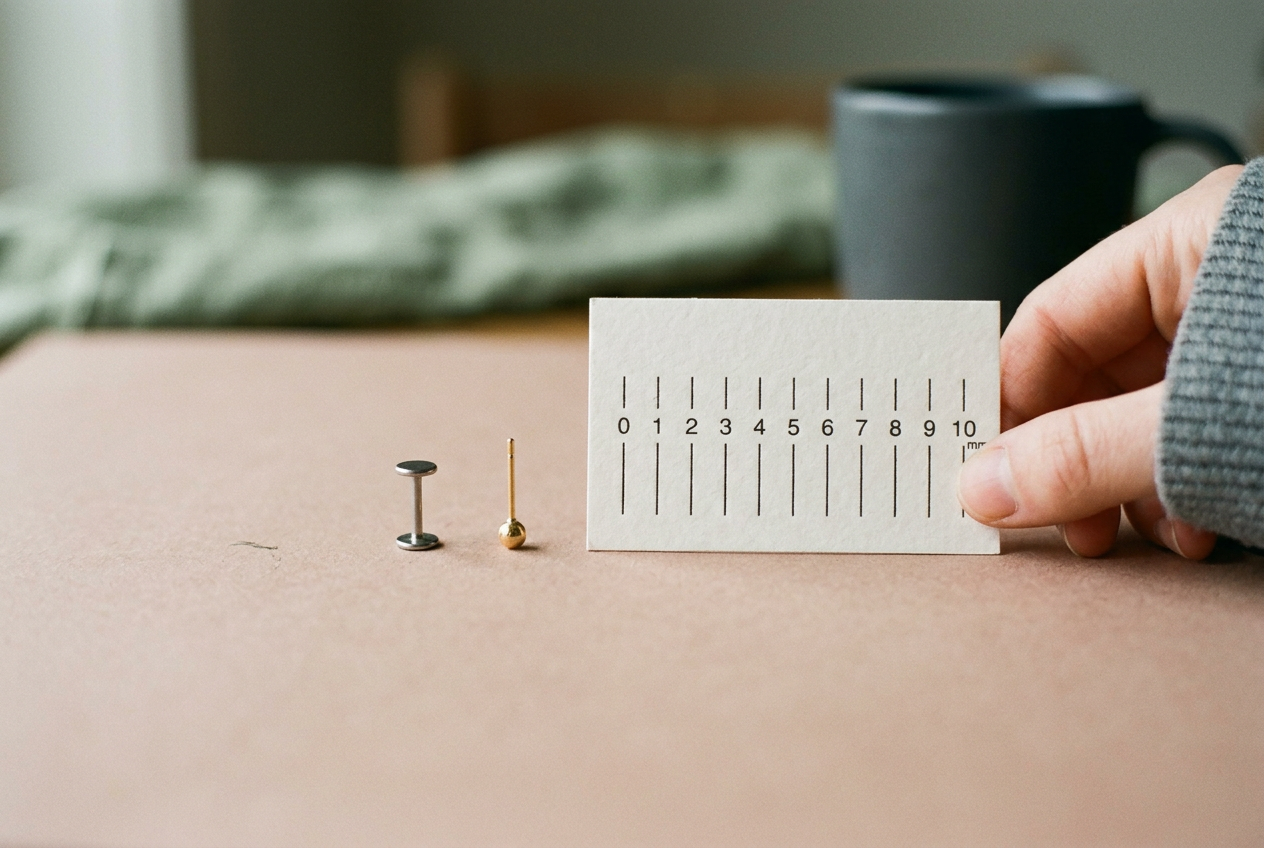
A 16-gauge post is only 0.2 millimeter wider than an 18-gauge one. That small difference is enough to stop a flat back and irritate a piercing if you push.
Margot Lane · 7 min read

Trend Watch
A week with three bubble-skirt constructions showed that the fullest option is not always the most wearable. Lining, hem tension and hip ease matter more than the first mirror check.
Iris Mbeki · 7 min read
Style Notes
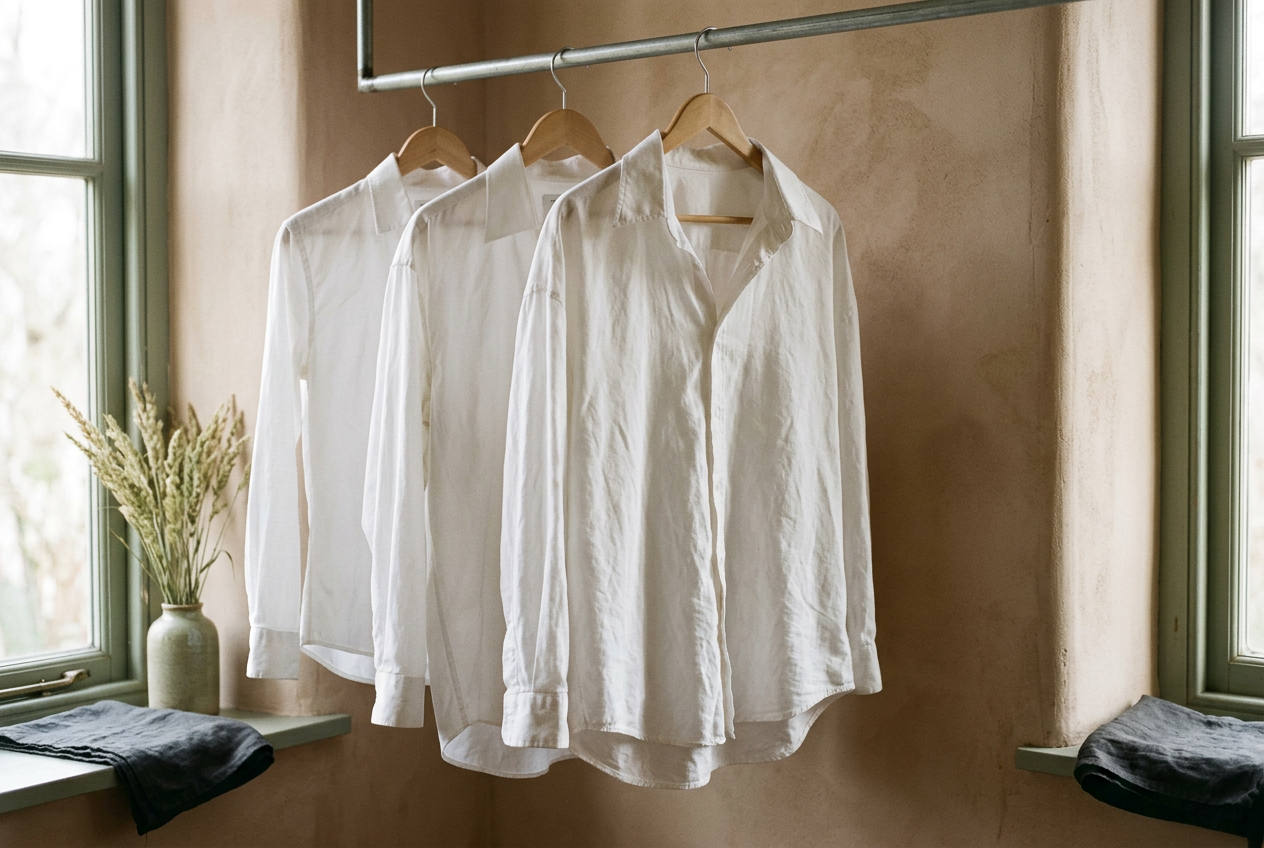
A larger standard size adds room, but it also shifts the collar, shoulder, cuff and hem. An oversized cut controls those details while building in volume.
June Park · 8 min read
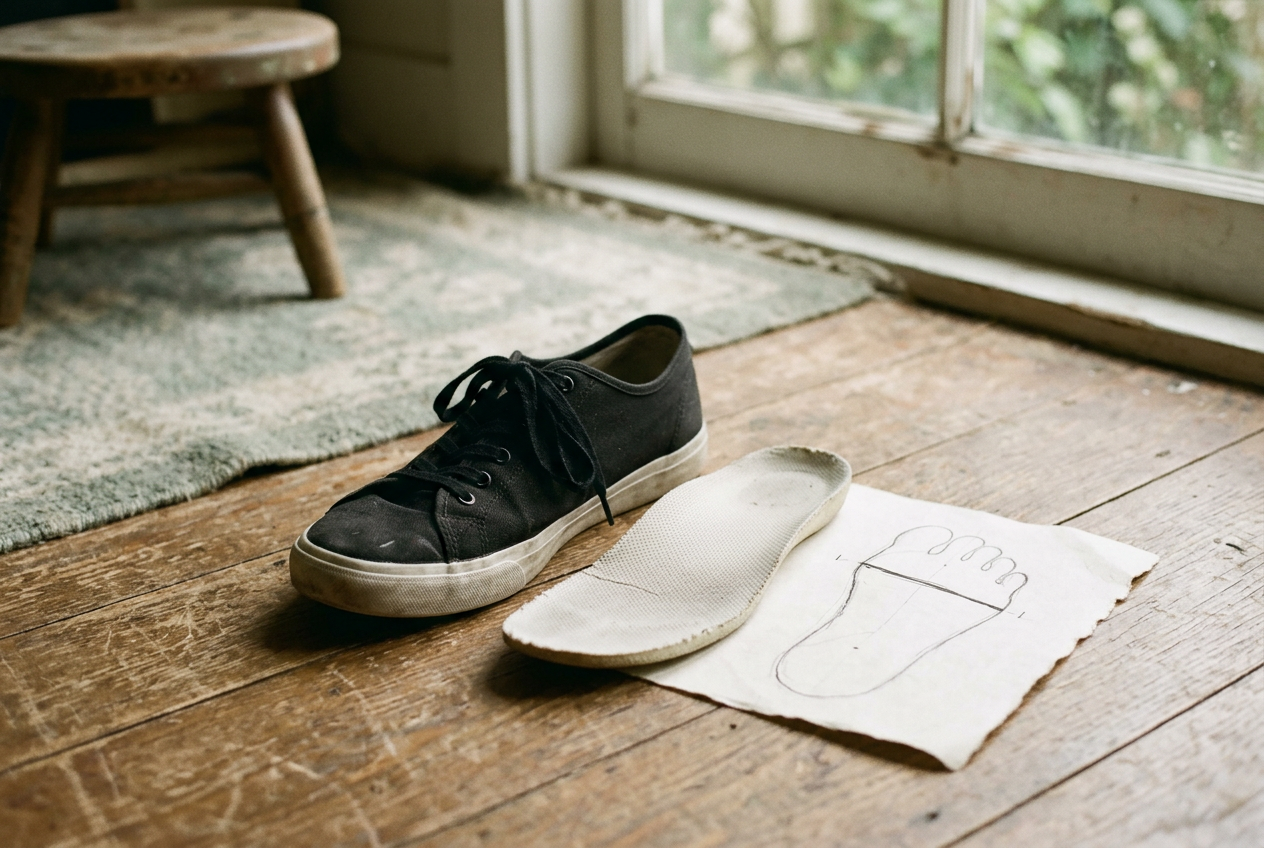
Footwear
A sneaker can leave enough room at the toes yet pinch at every step. Check whether the ball of your foot meets the shoe’s intended flex point before changing sizes.
Dez Ferraro · 7 min read
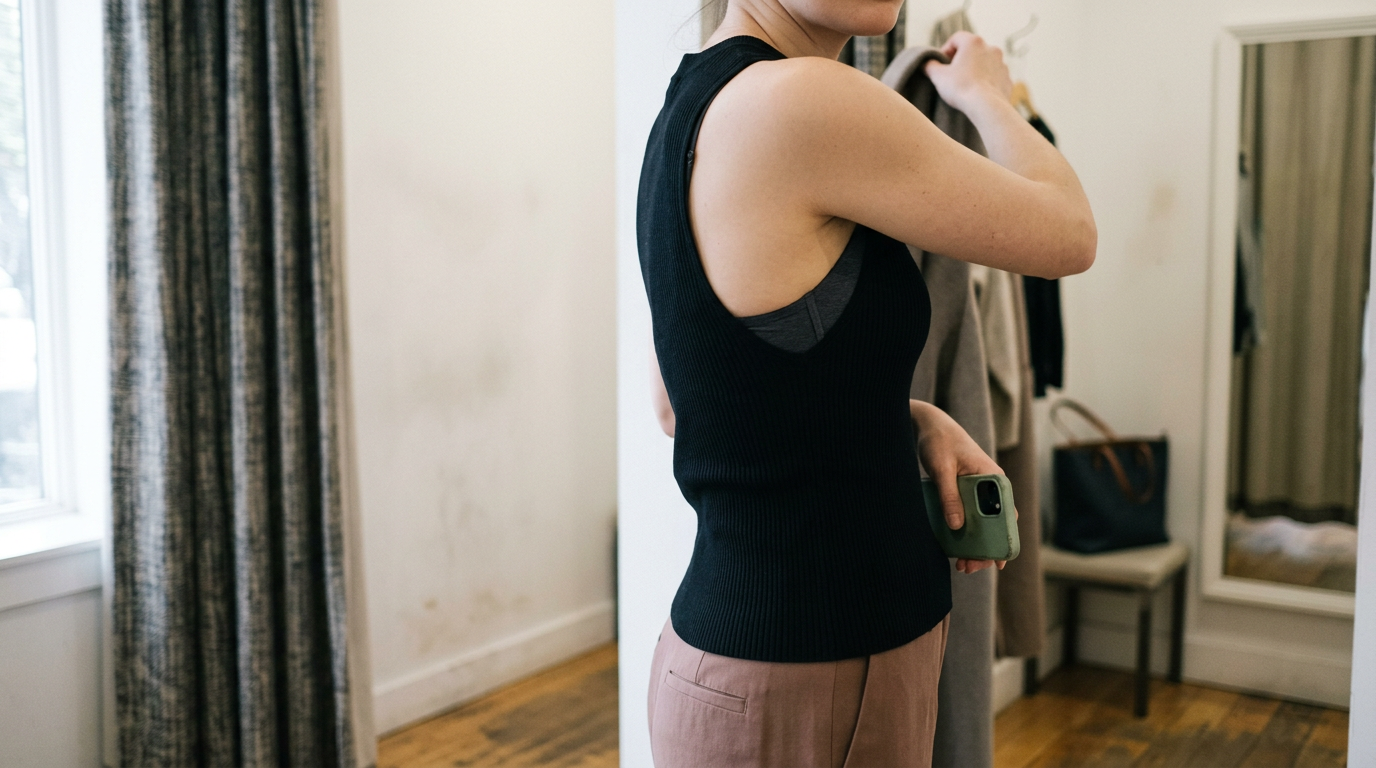
Style Notes
A sleeveless top can pass in front of the mirror and fail as soon as you reach. This fitting-room sequence finds bra exposure, side gaping, and stretched edges before you buy.
June Park · 8 min read
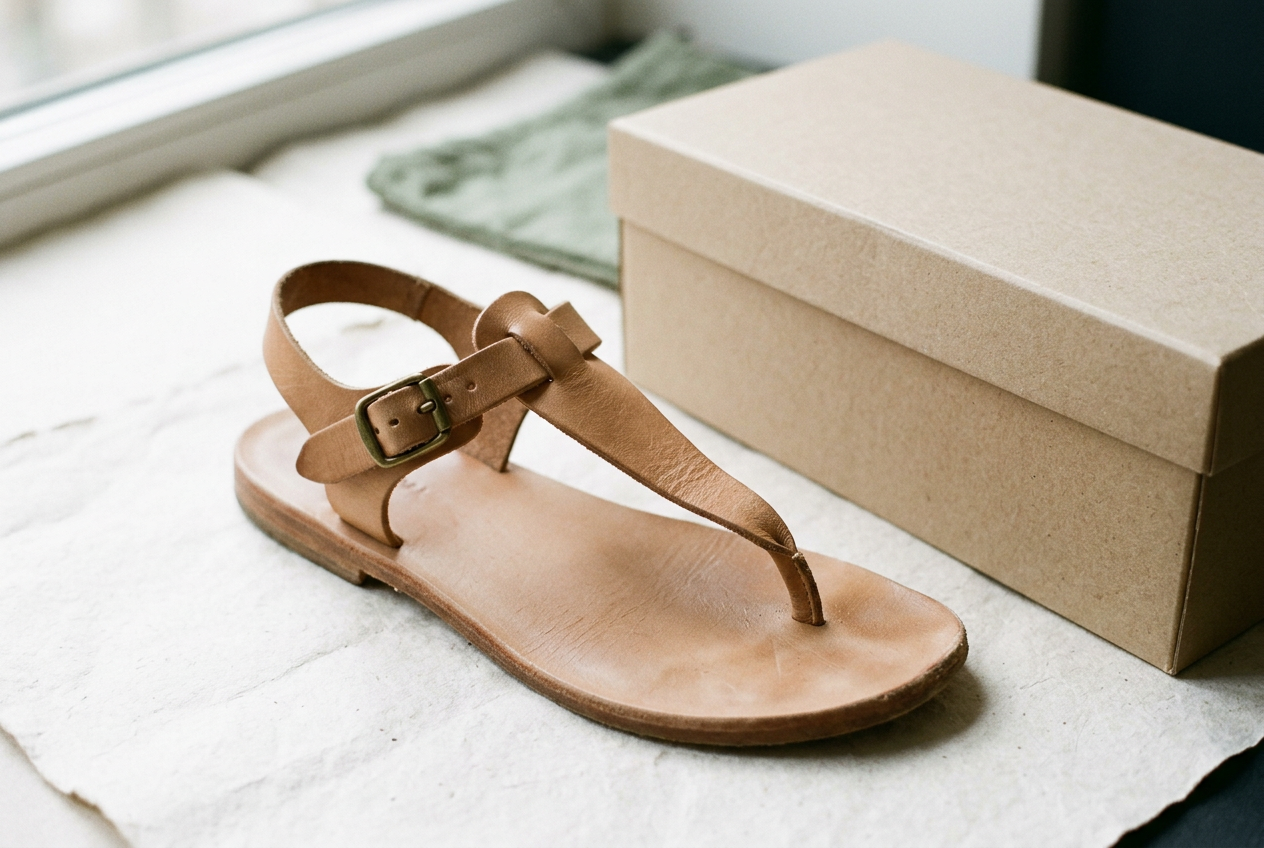
Footwear
Leather can relax across the foot, but it cannot relocate the hardware or lengthen the sole. This indoor trial separates useful softening from a return-worthy fit.
Dez Ferraro · 8 min read
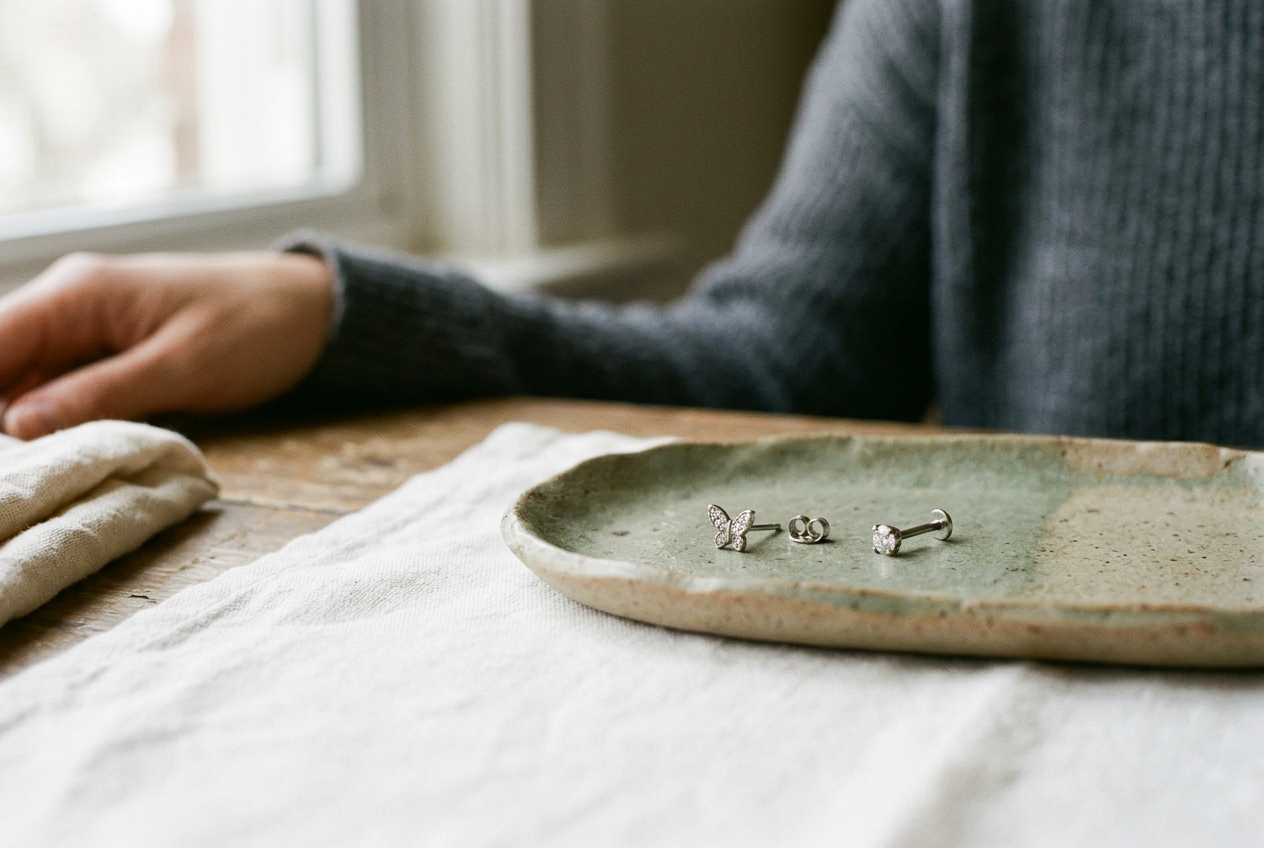
Jewelry & Accessories
A thinner fashion stud may slide into an 18-gauge piercing, but it cannot necessarily use the flat back or decorative end already there. Gauge is only one part of the fit.
Margot Lane · 8 min read
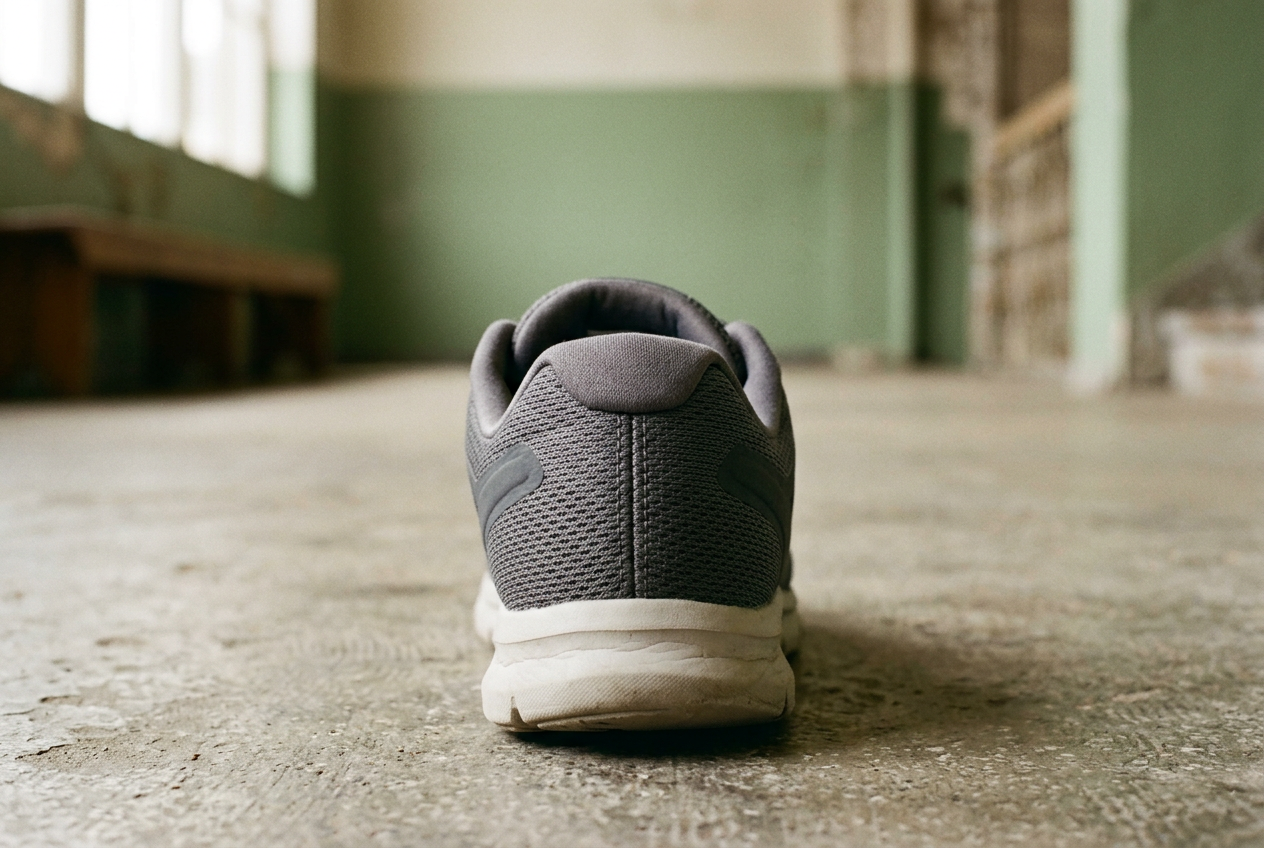
Footwear
A heel counter should hold the rearfoot without digging into it. Use this indoor try-on to separate useful structure from an expensive source of Band-Aid consumption.
Dez Ferraro · 8 min read
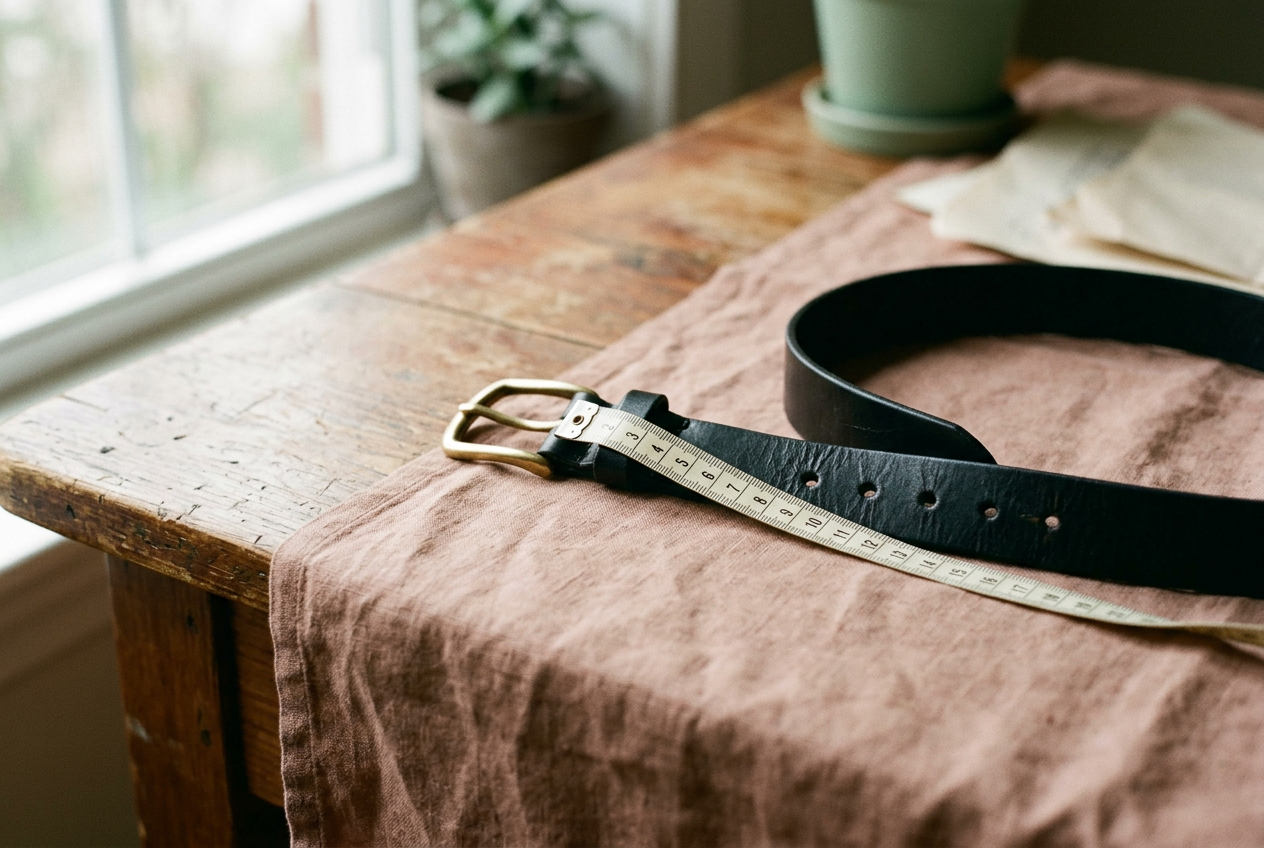
Jewelry & Accessories
The number on a belt often measures from the buckle to its middle hole. Here is how to translate that figure when your only references are jeans, a tape measure or a secondhand listing.
Margot Lane · 8 min read
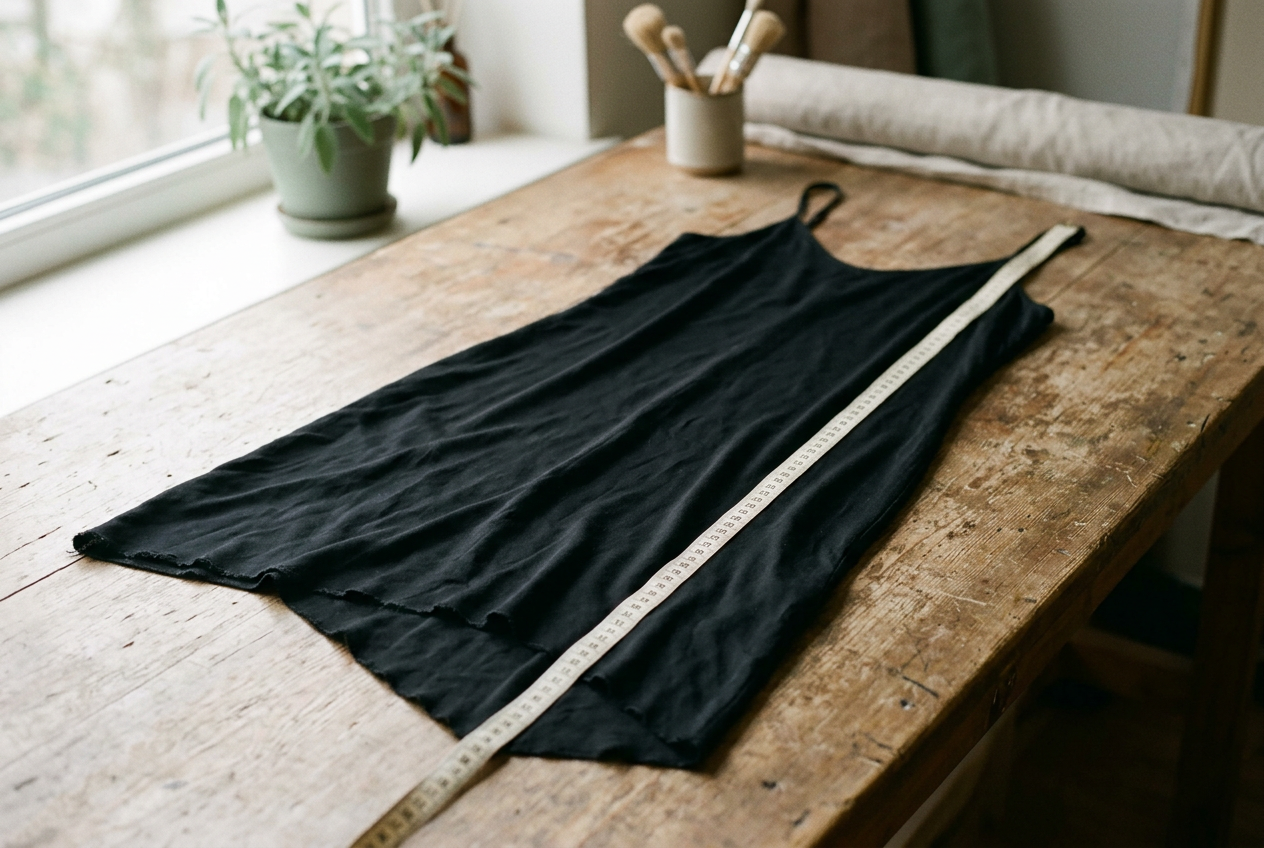
Style Notes
Humidity can make a viscose dress relax under its own weight, particularly when it is cut on the bias. Stabilize the fabric before deciding where the hem belongs.
June Park · 8 min read
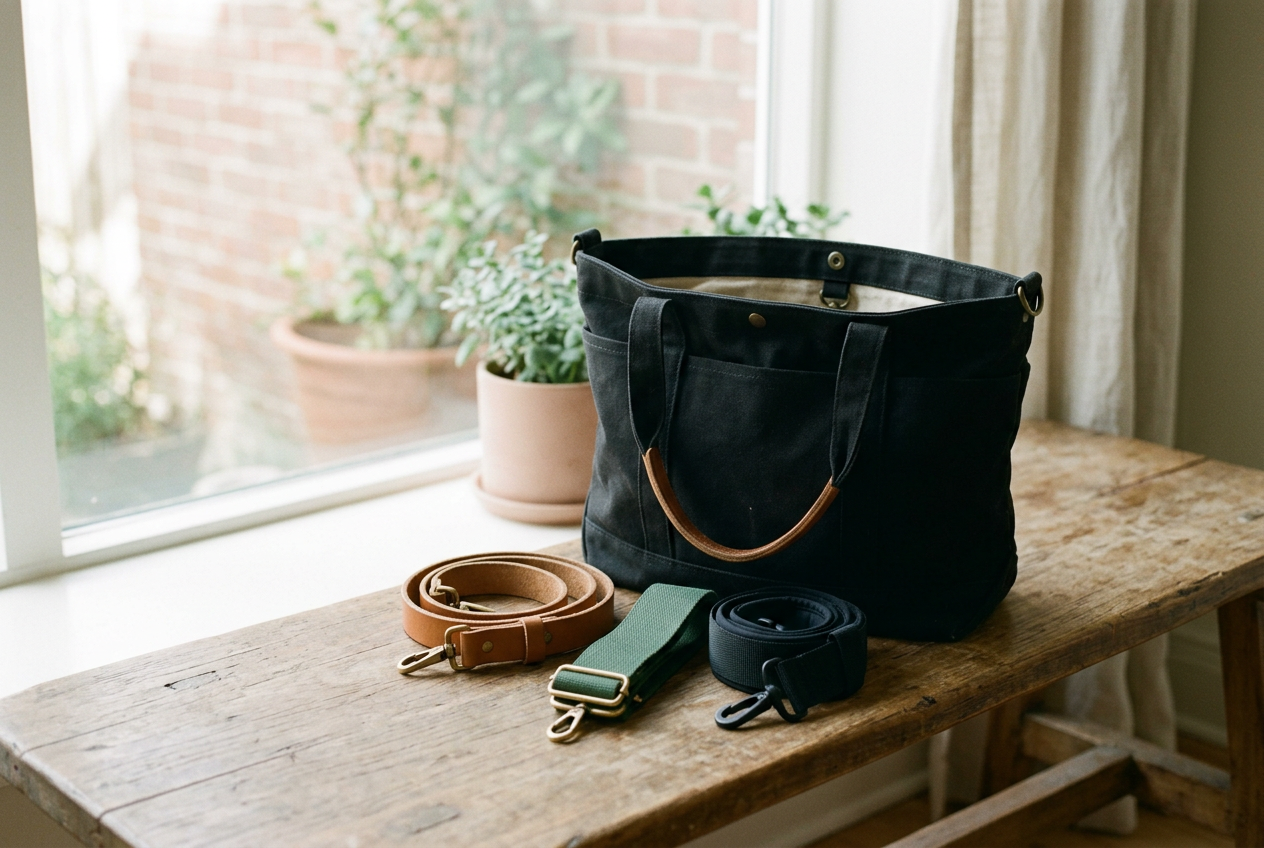
Jewelry & Accessories
A loaded canvas tote exposed the flaws width can hide: rigid edges, thin padding and hardware that lands on the shoulder. Here is what felt better and what to check before buying.
Margot Lane · 7 min read
Style Notes
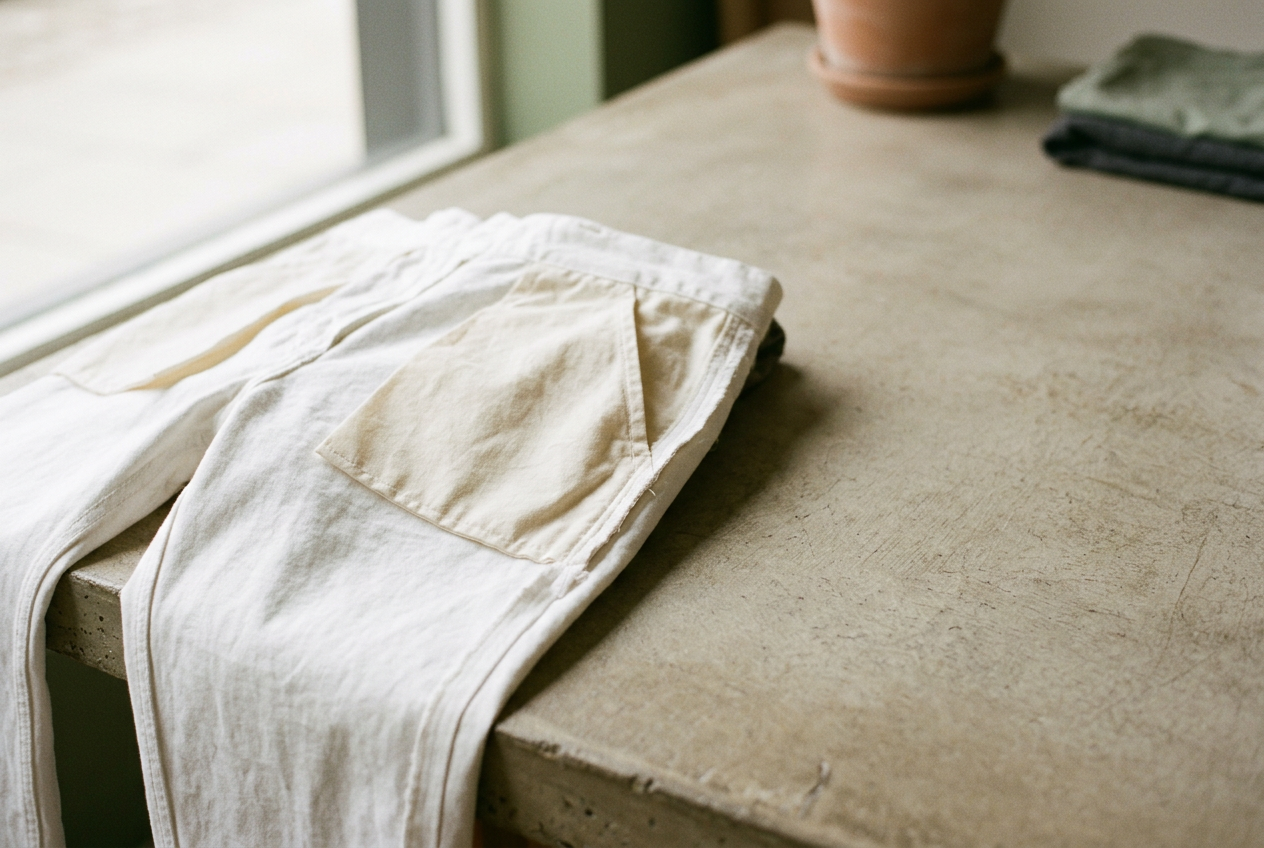
Underwear color matters, but fit, stretch and pocket construction decide whether unlined white pants look clean. Here is what to check before keeping the pair.
June Park · 8 min read
Style Notes
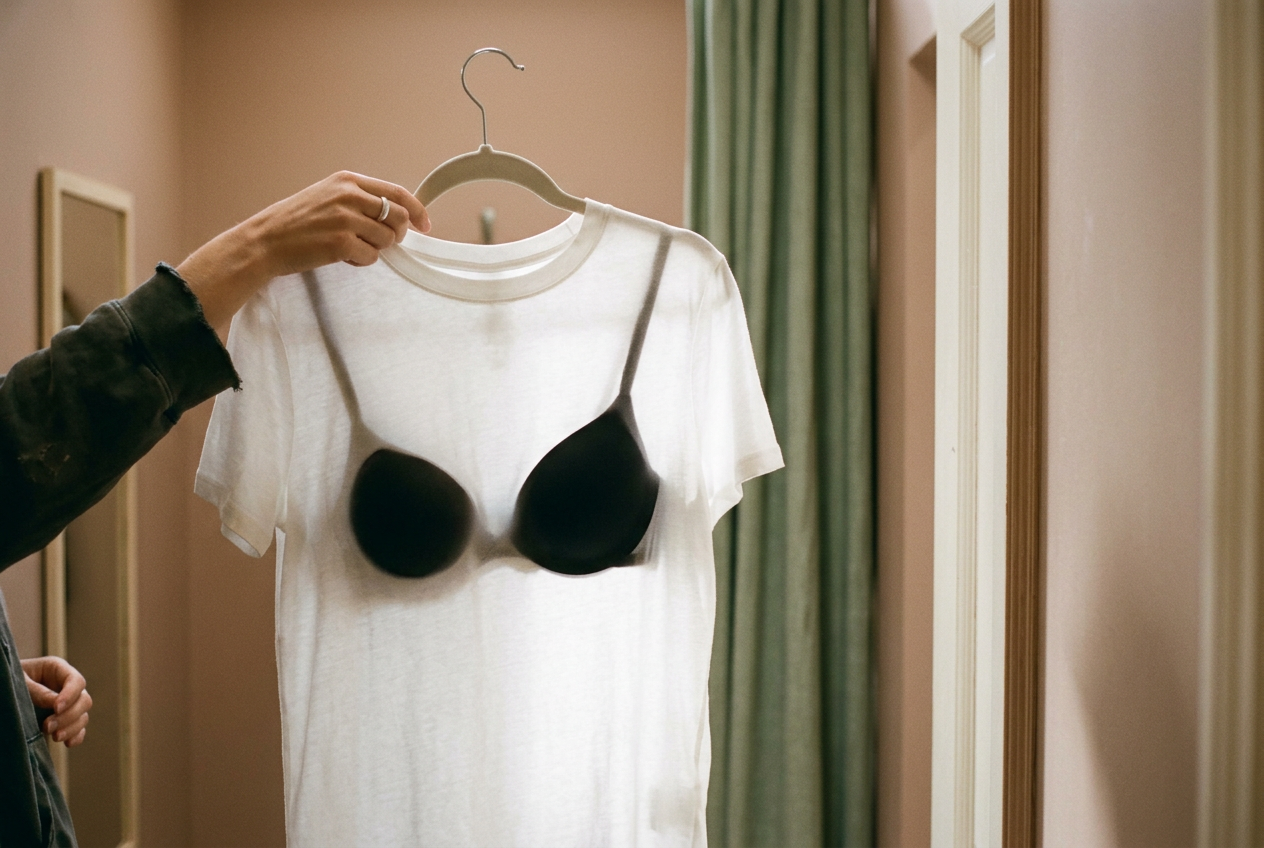
Fabric weight is a weak shortcut for opacity. This fitting-room test shows how knit density, stretch and two kinds of light reveal the white T-shirts worth keeping.
June Park · 7 min read
Footwear
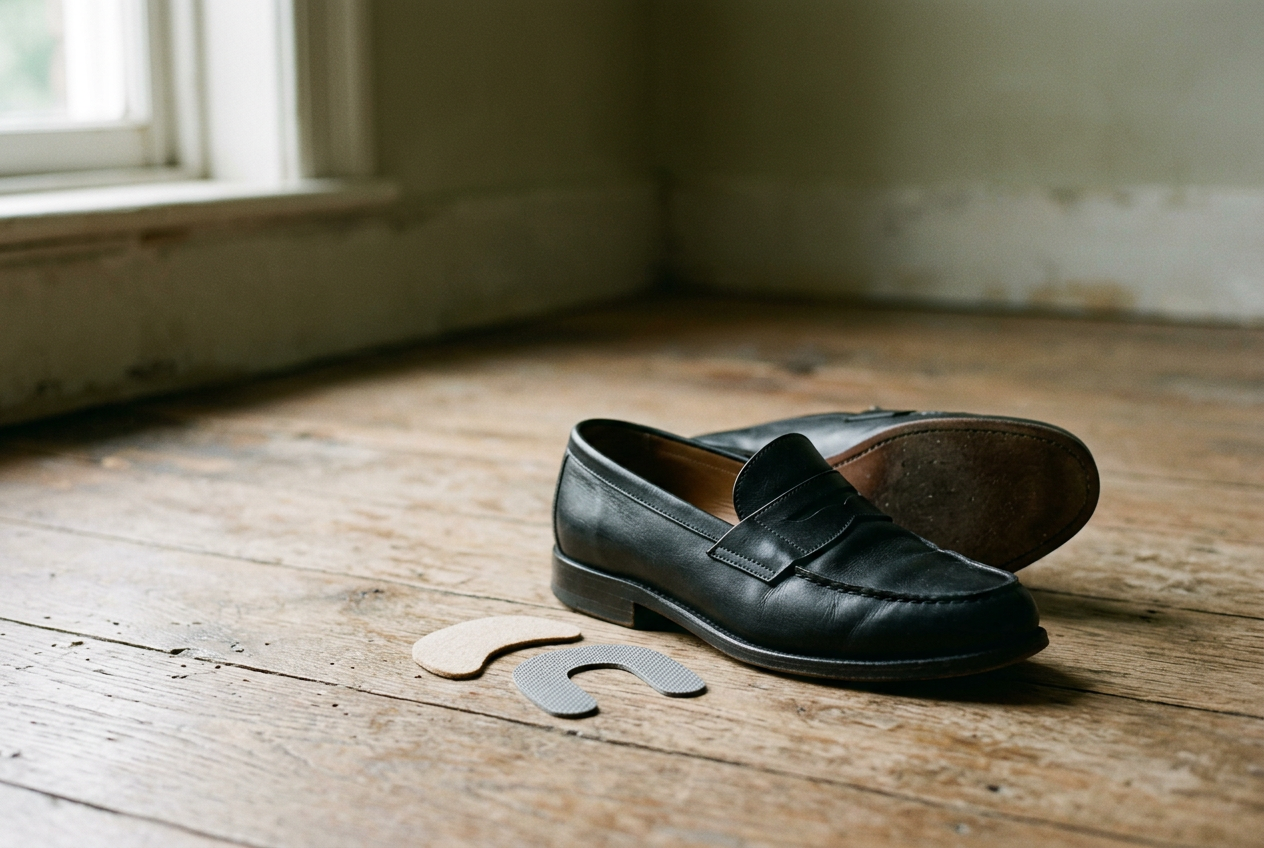
Tongue pads reduce room over the instep. Heel grips push the foot forward, while sizing down changes the entire fit and can punish toes that were perfectly content.
Dez Ferraro · 8 min read
Trend Watch
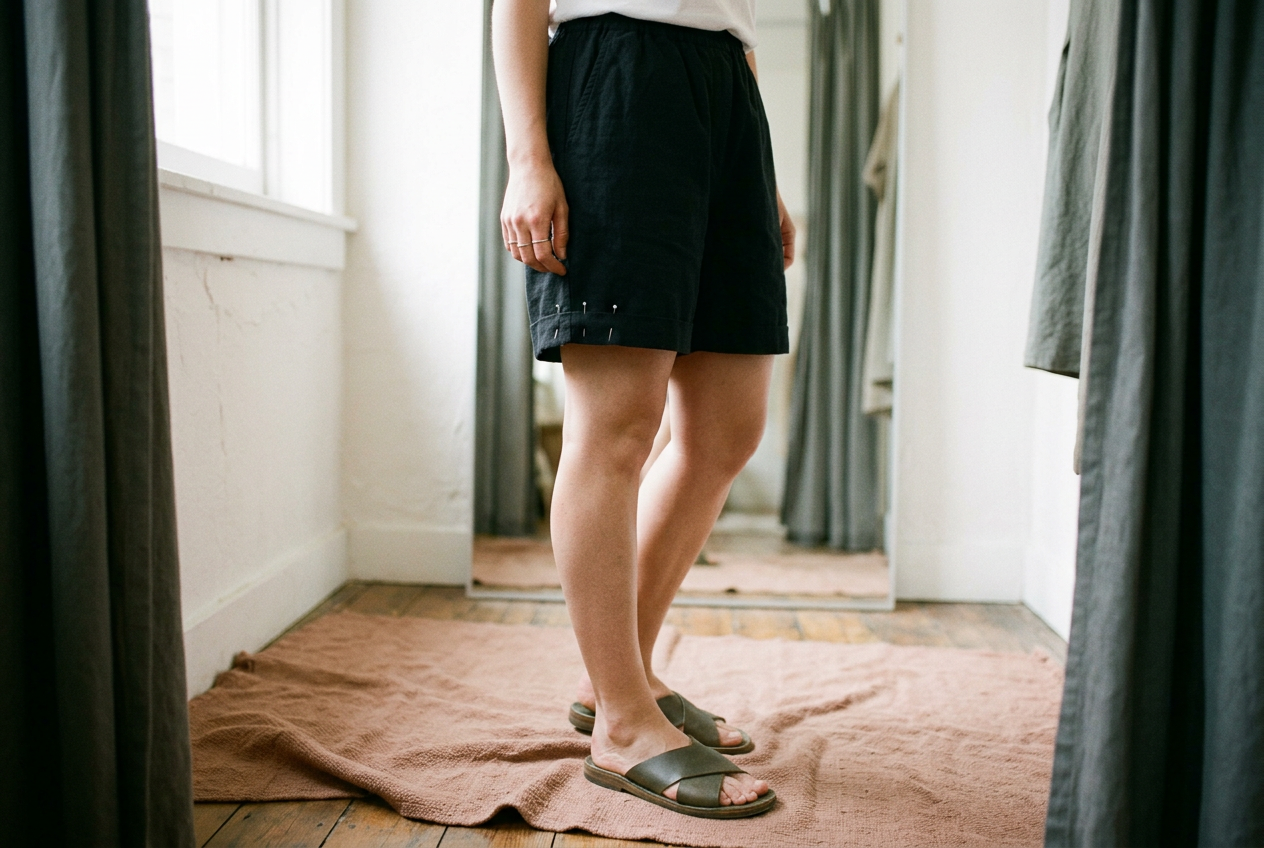
Knee-near shorts offer the ease of a skirt with more structure, but small changes in length can upset the line. A cotton-twill fitting test shows when to alter and when to walk away.
Iris Mbeki · 8 min read
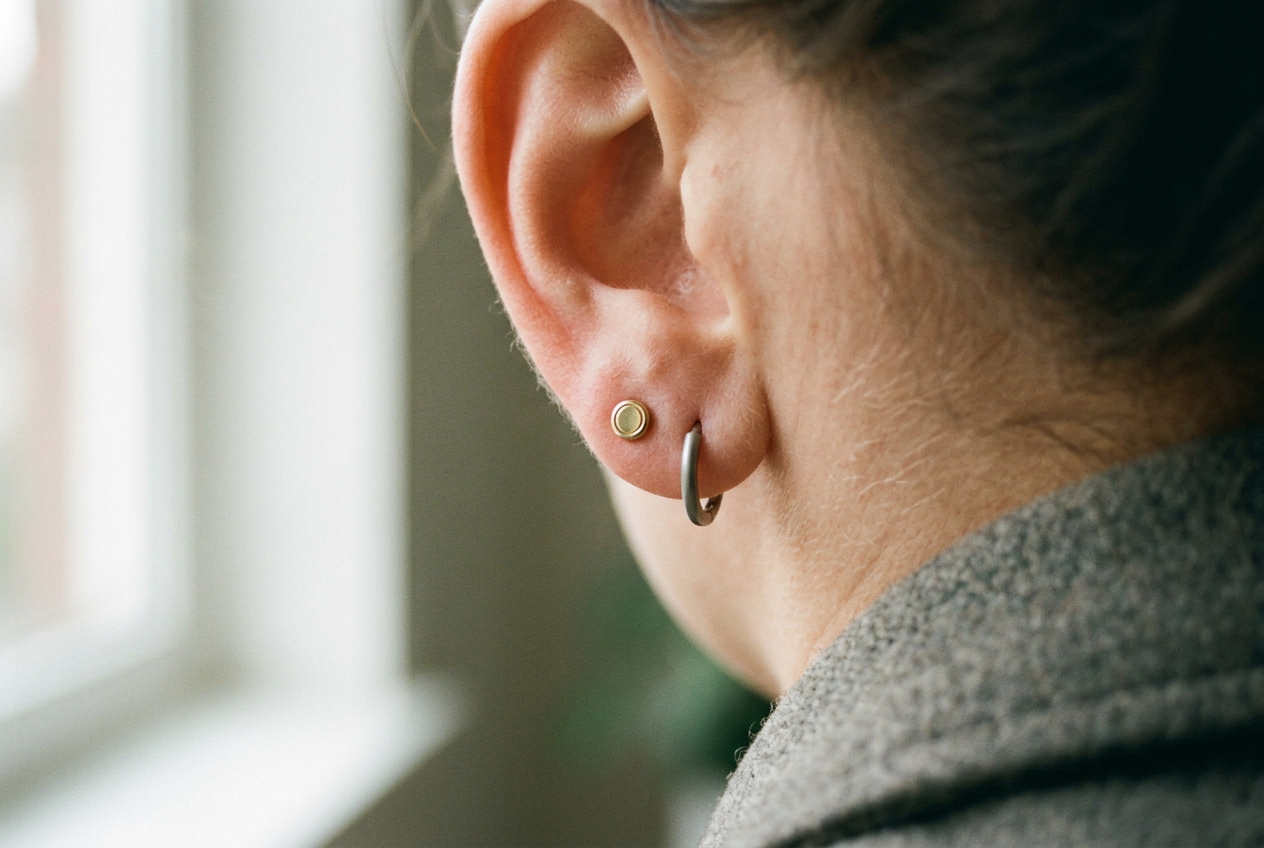
Jewelry & Accessories
A stud’s front diameter, a hoop’s tube thickness, and the angle of each piercing determine whether a close stack sits neatly or pushes itself apart.
Margot Lane · 7 min read
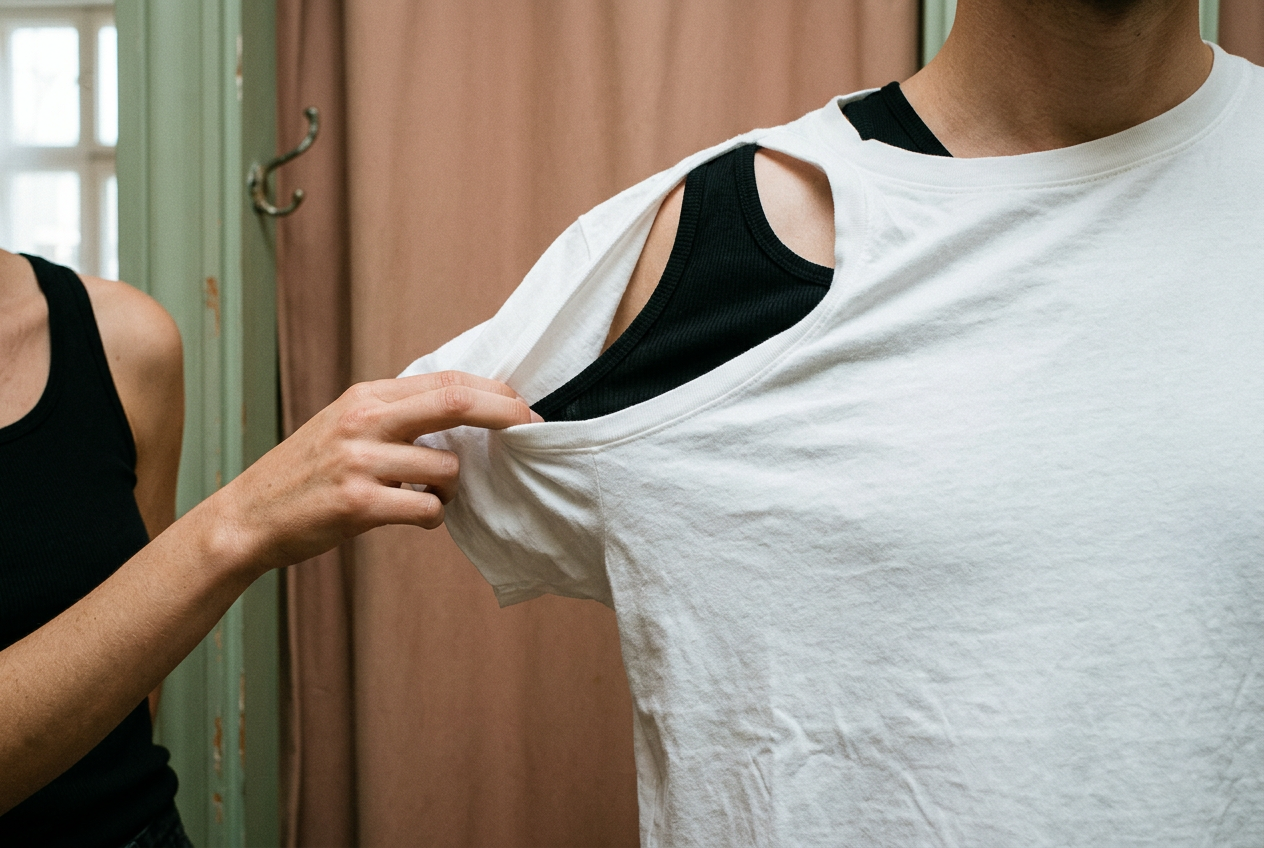
Style Notes
Color labels tell you almost nothing about opacity. Use the fabric, phone-flash, and movement checks to find the white T-shirt that stays covered outside the fitting room.
June Park · 7 min read

Jewelry & Accessories
A 4 mm band may handle an ordinary hot day alone, then feel too tight when stacked. Here is how width, interior shape and temporary adjusters change the fit.
Margot Lane · 8 min read
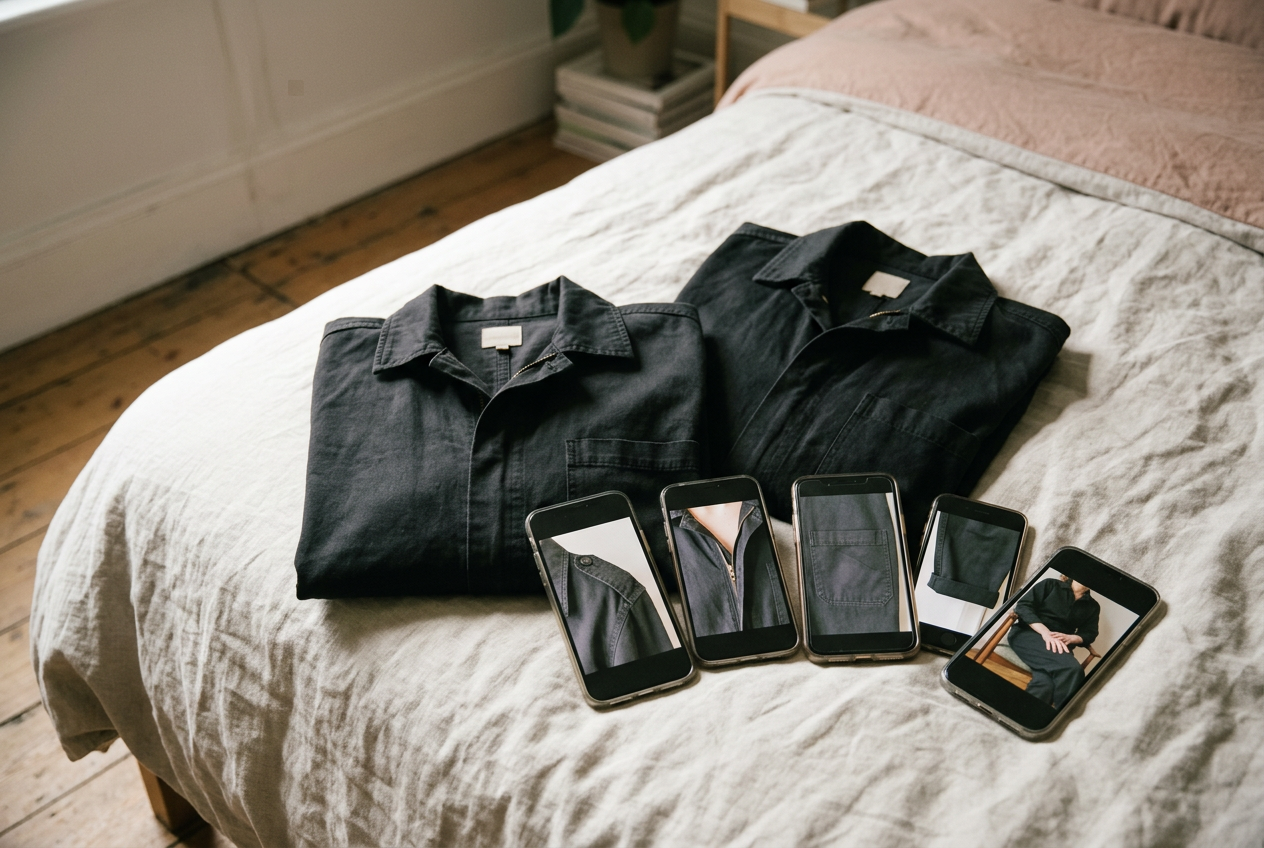
Style Notes
A mirror can make two adjacent sizes look equally plausible. Five repeatable photos reveal which one moves better and whether the problem is sizing or construction.
June Park · 8 min read
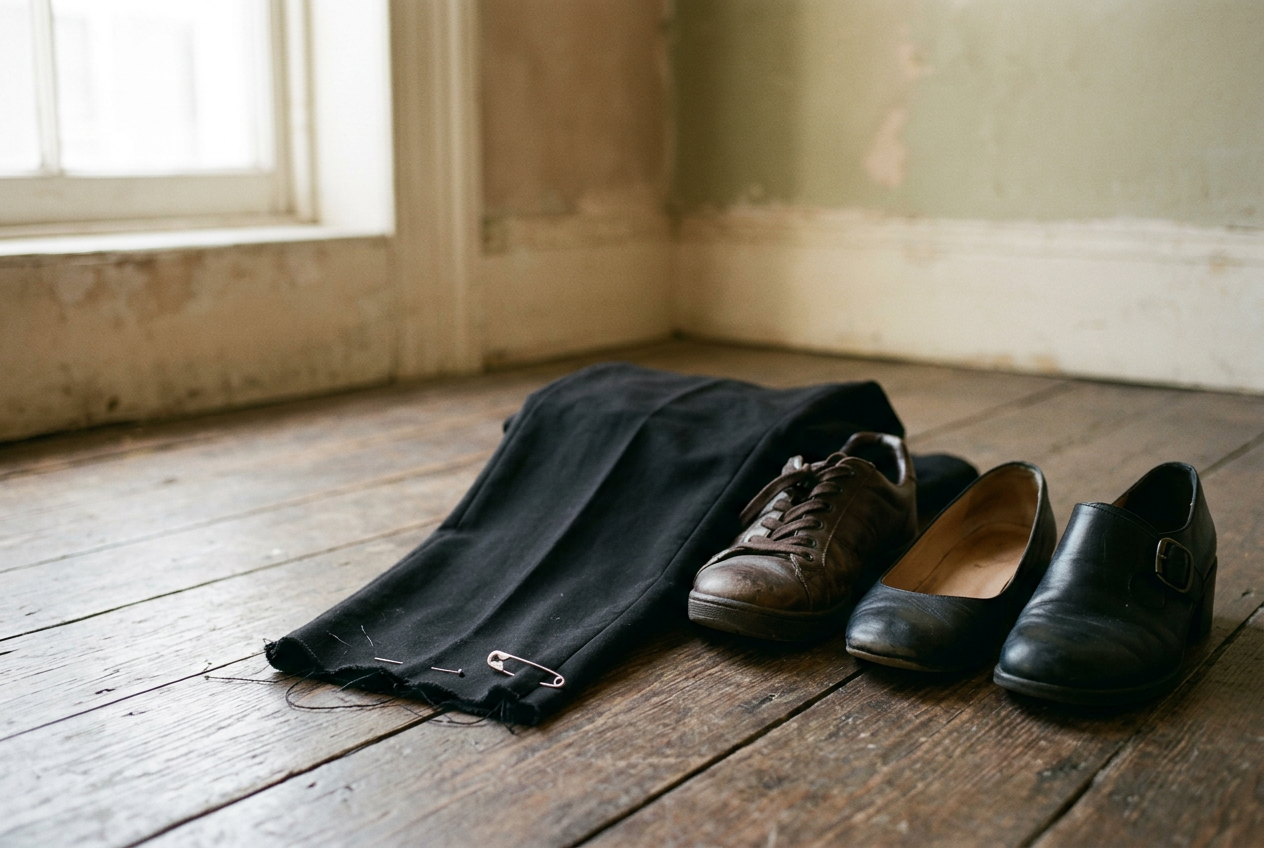
Style Notes
Sneakers, flats, and low heels lift and catch fabric differently. Use the leg opening, front break, and floor clearance to find a workable hem or justify a second pair.
June Park · 8 min read
Footwear
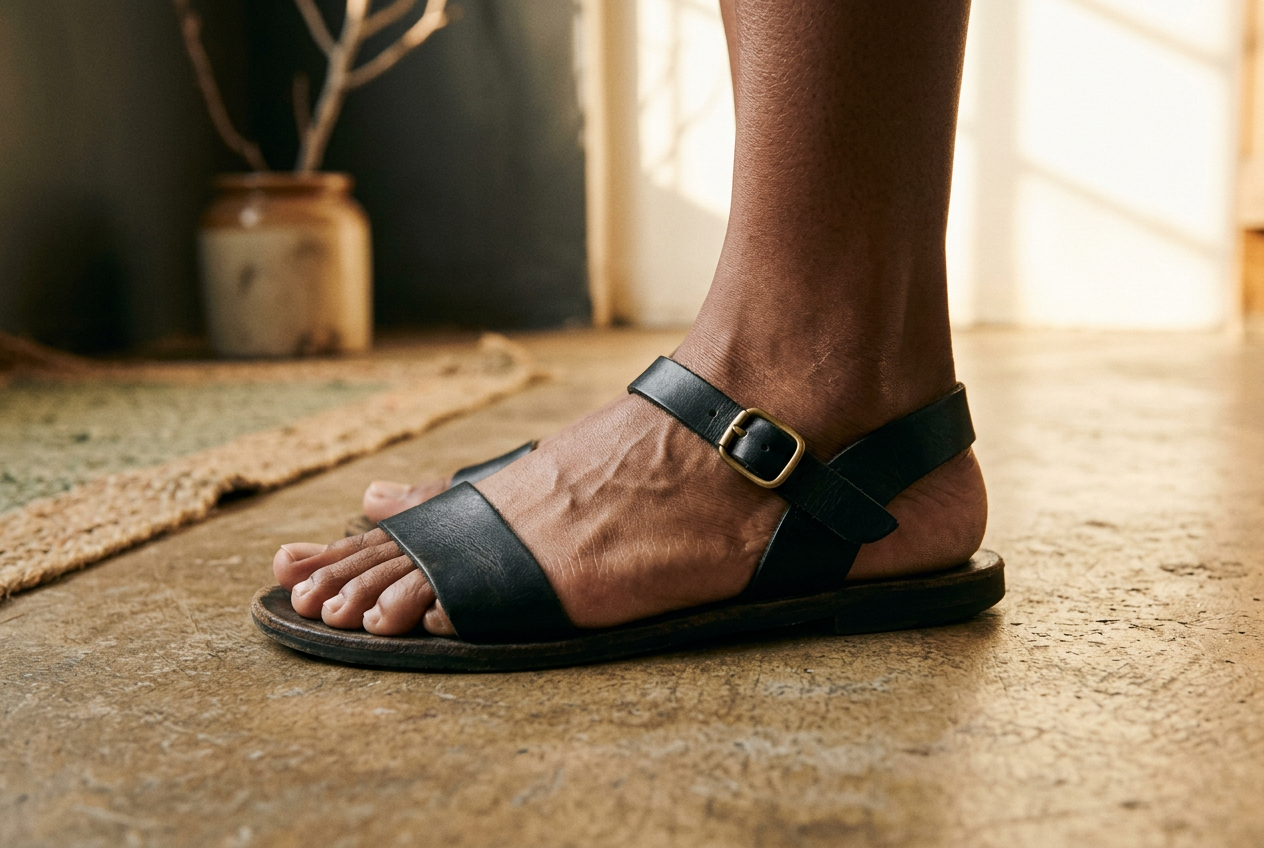
Late-day feet expose strap pressure that a morning fitting can miss. Check the sandal in sequence so swelling room does not become blister-making movement.
Dez Ferraro · 7 min read