Jewelry & Accessories
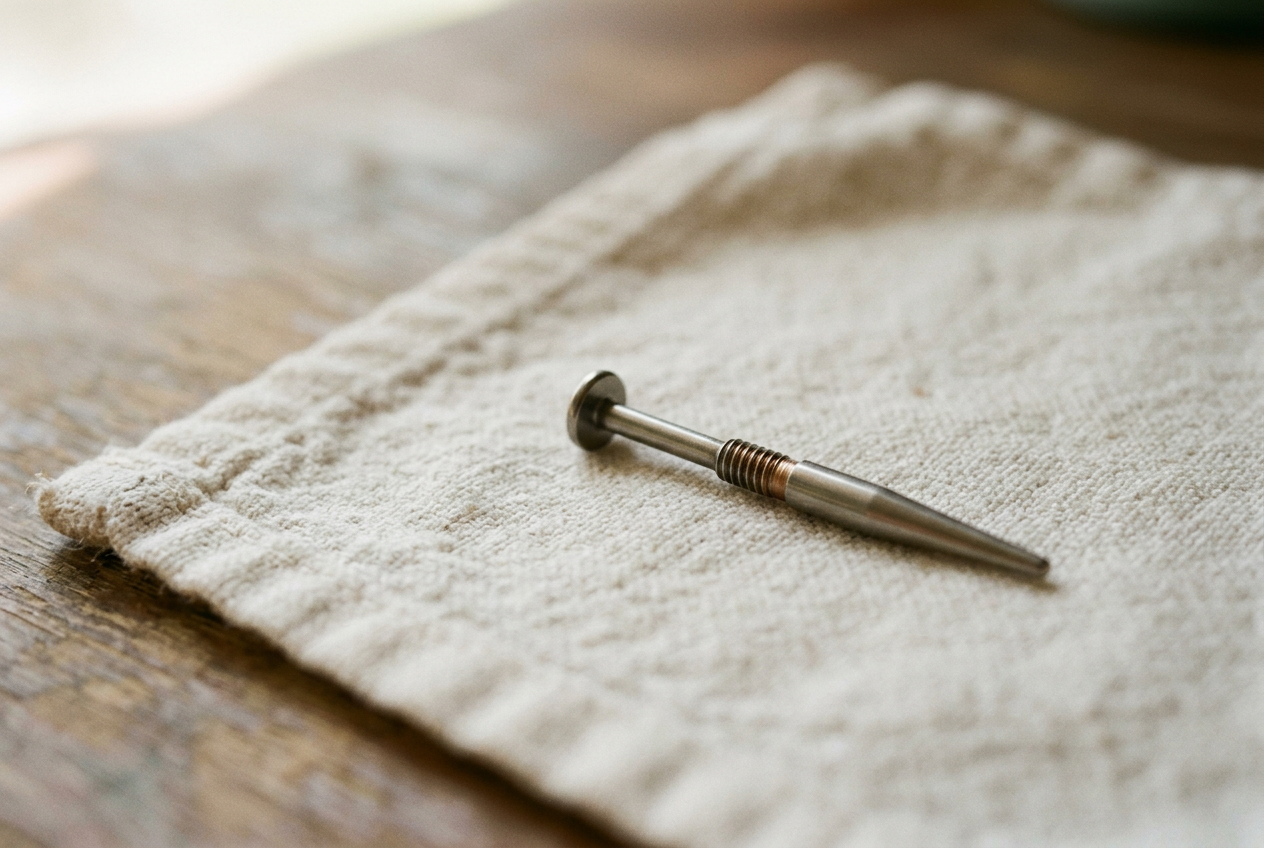
A slim guide pin fixes the hardest part of a flat back change: finding the piercing from behind. It only works when its gauge and connection match the post.
Margot Lane · 8 min read
Jewelry & Accessories
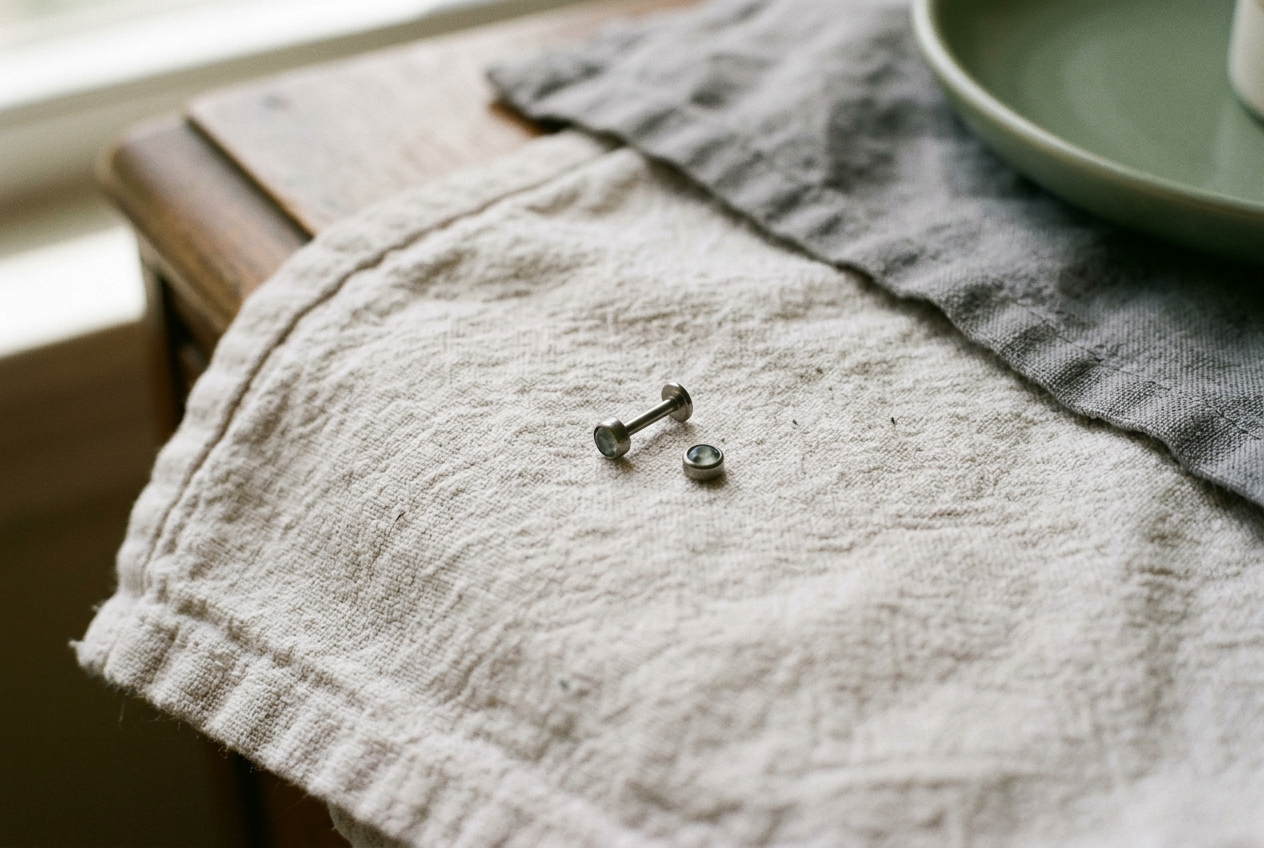
The slight curve in a threadless pin is what keeps the earring together. A sharp bend, damaged base, or fit that keeps loosening means the top has reached replacement time.
Margot Lane · 7 min read

Jewelry & Accessories
A flush backing removes one snag point, but it cannot fix excess post length or a shallow ear cup. Here is how to find the pressure point before your commute.
Margot Lane · 7 min read
Jewelry & Accessories
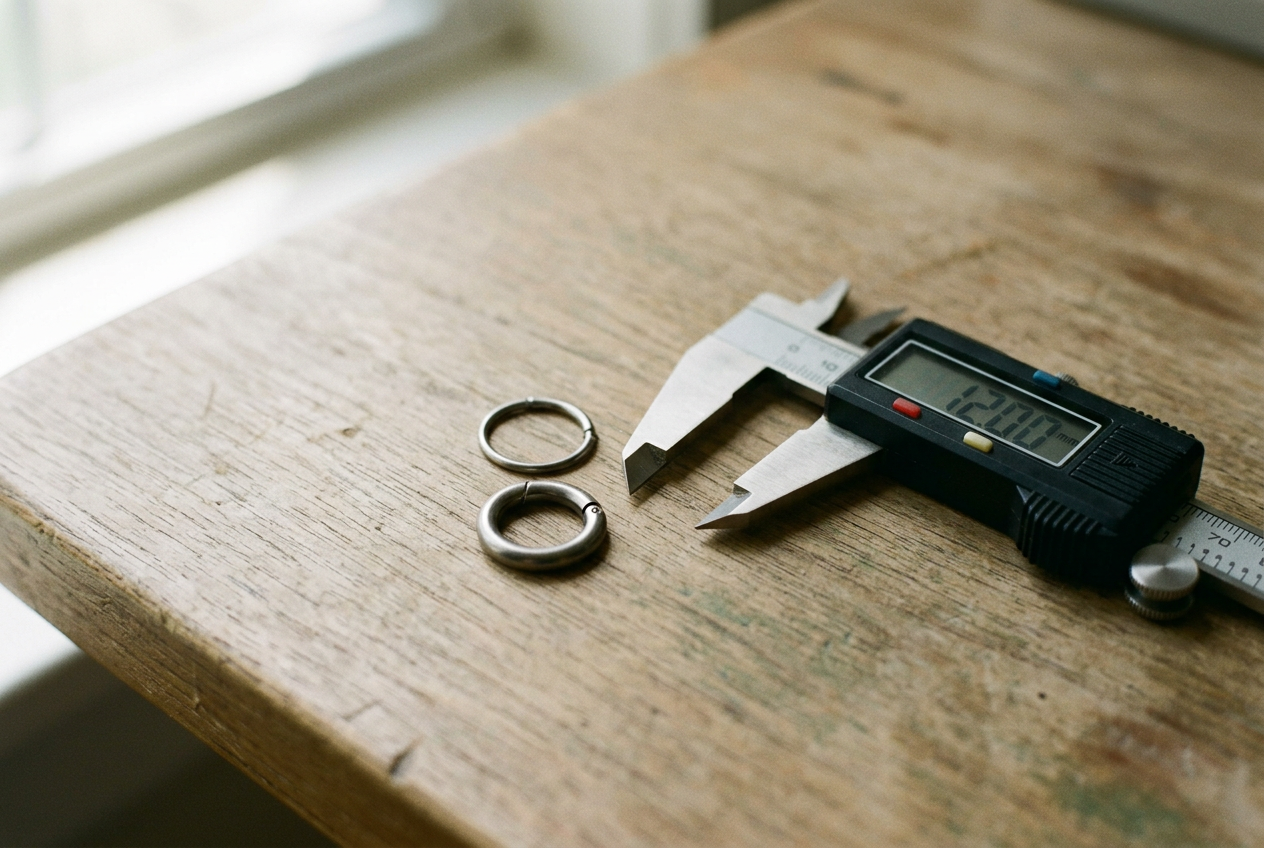
Hoop diameter tells only half the fit story. Wire gauge, closure space and the hoop’s path past your jaw can make the smaller pair less comfortable.
Margot Lane · 8 min read
Jewelry & Accessories
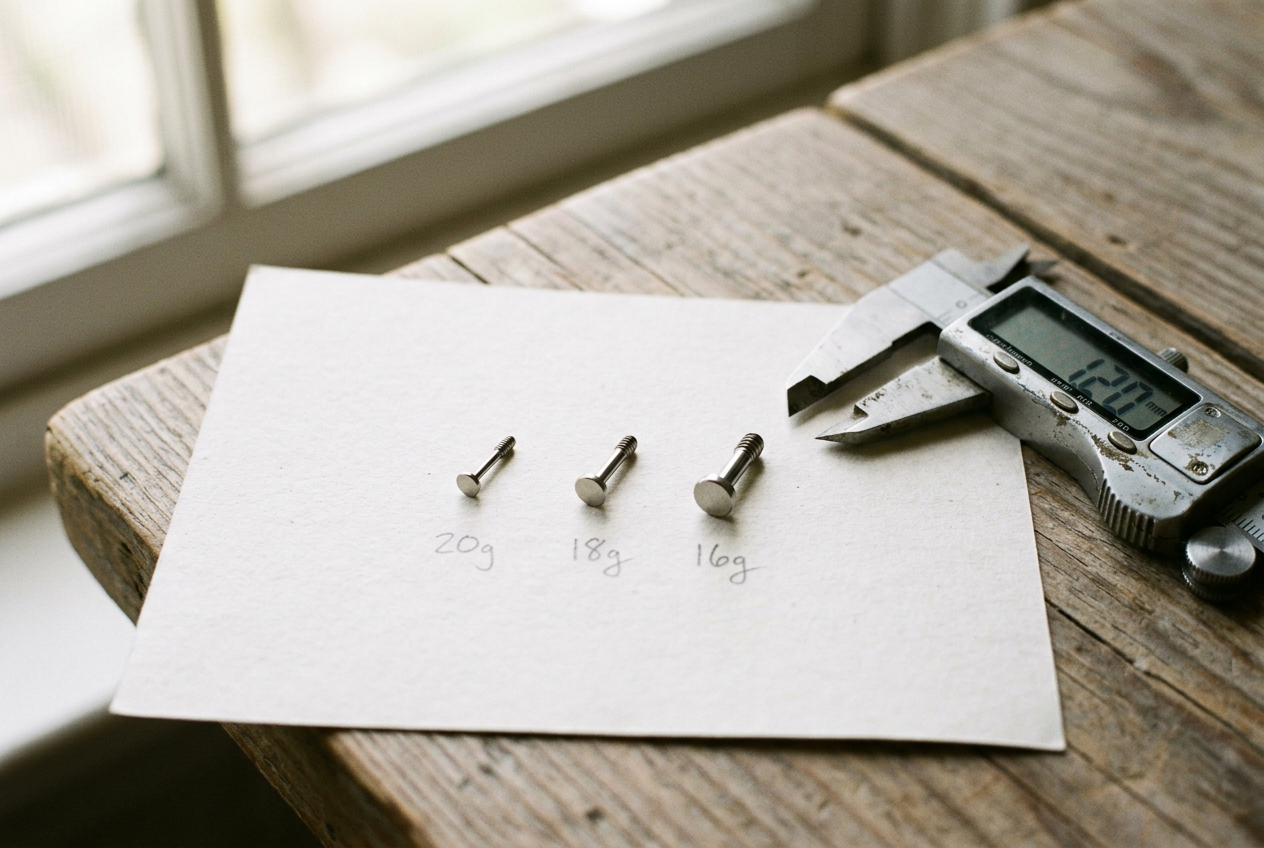
A post can look familiar and still be too thick for your piercing. Here is the measurable difference between 20g, 18g, and 16g, plus a printable comparison.
Margot Lane · 8 min read
Jewelry & Accessories
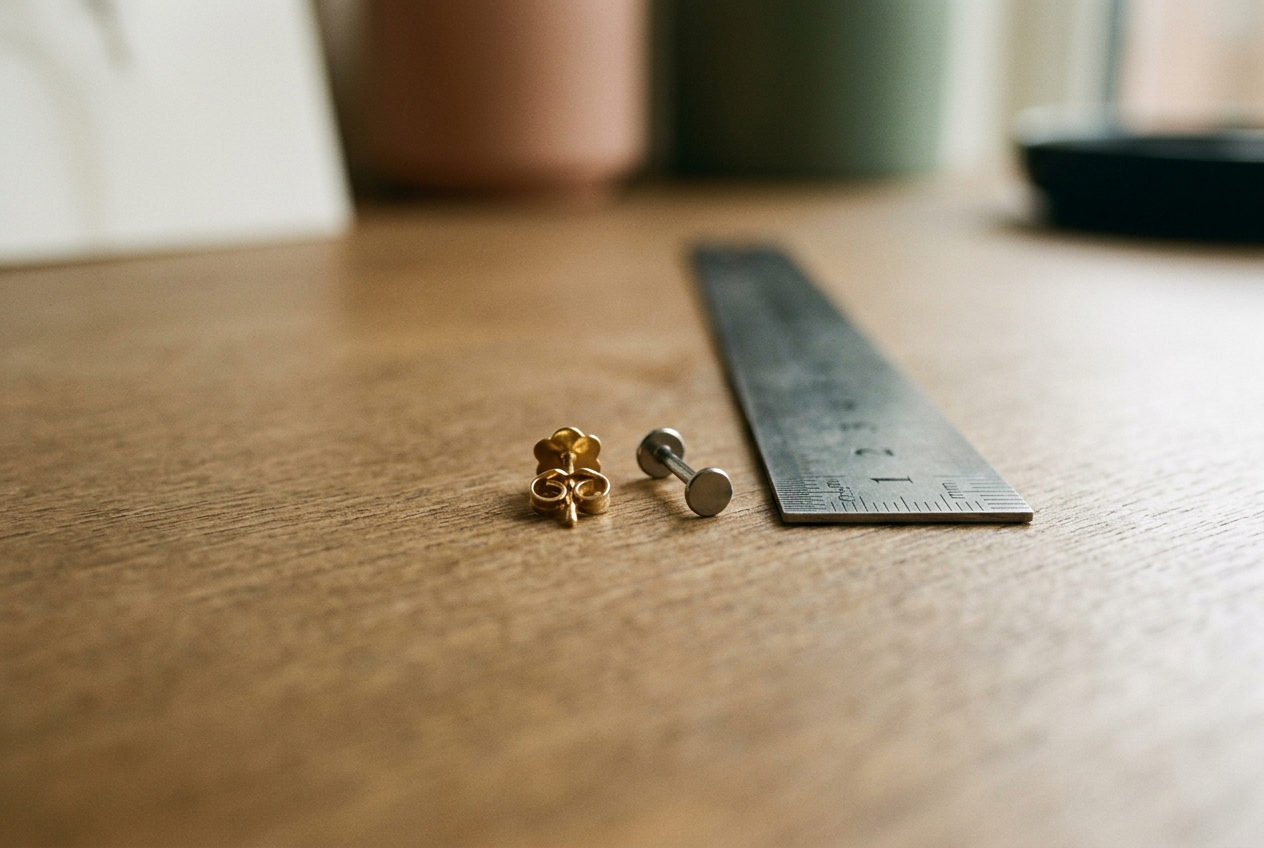
An 18-gauge post is 0.2 millimeters thicker than a 20-gauge post. That small change can meet real resistance in a piercing accustomed to thinner jewelry.
Margot Lane · 7 min read

Jewelry & Accessories
Repeated changes can flatten the tiny bend that holds a threadless earring together. Here is how to test the connection, adjust it once and know when to replace it.
Margot Lane · 8 min read
Jewelry & Accessories
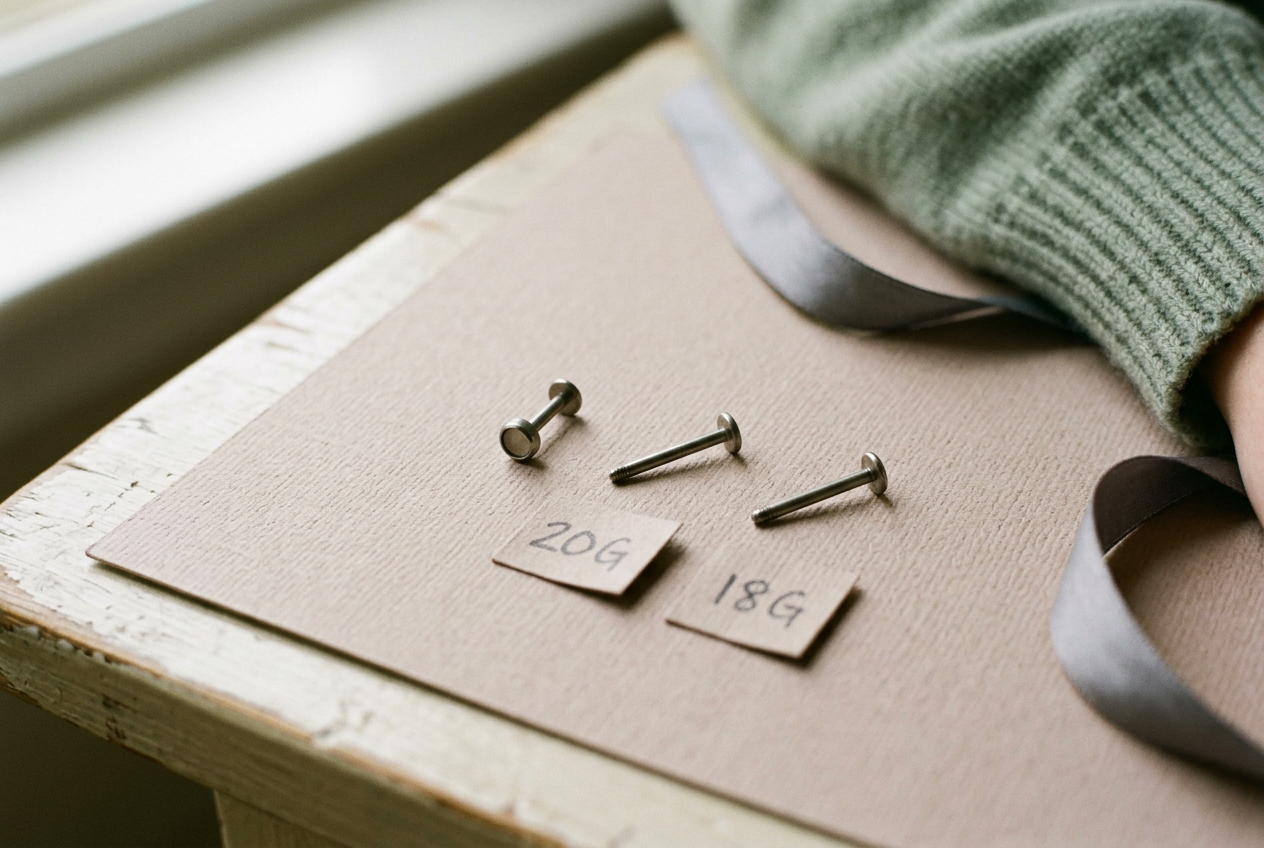
A 20-gauge post is thinner than an 18-gauge post. If it stalls in a healed piercing, the problem may be the channel, the jewelry’s construction, or its labeling.
Margot Lane · 7 min read
Jewelry & Accessories
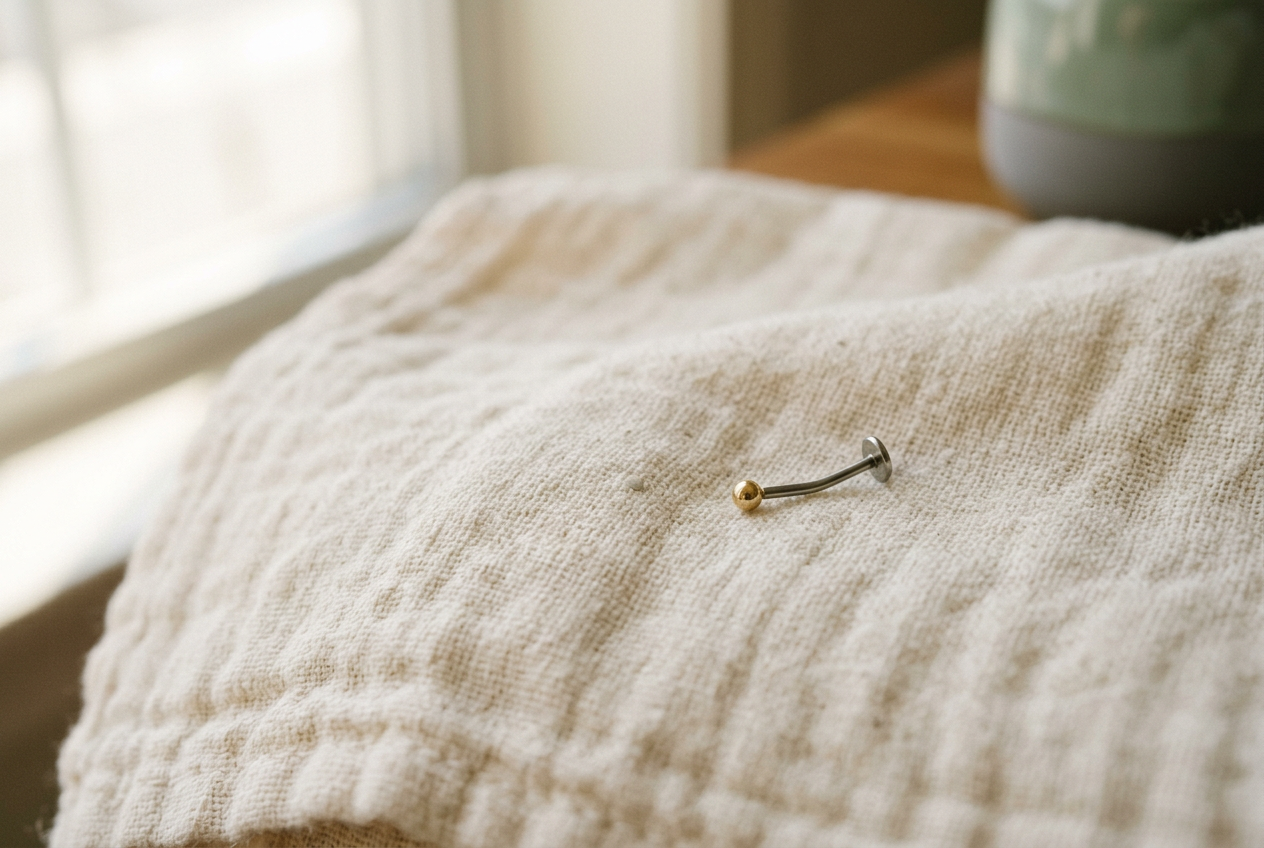
A tiny curve in the end’s pin creates the grip inside a threadless post. Here is how to test it, adjust it in small increments, and spot incompatible parts.
Margot Lane · 8 min read
Jewelry & Accessories
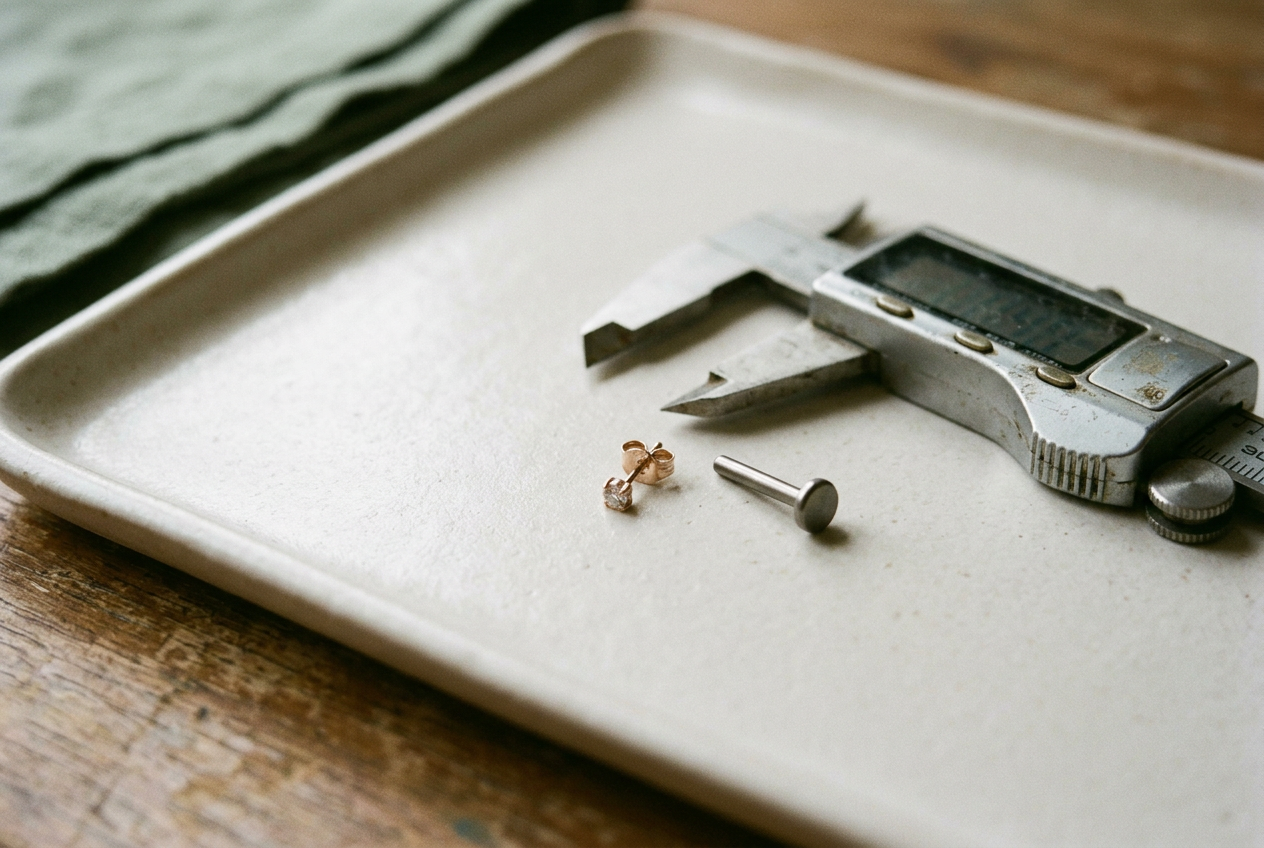
A 16-gauge post is 1.2 millimeters thick, which can be too wide for a piercing accustomed to a slim fashion stud. Read the measurement before ordering, and do not force the upgrade.
Margot Lane · 8 min read
Jewelry & Accessories
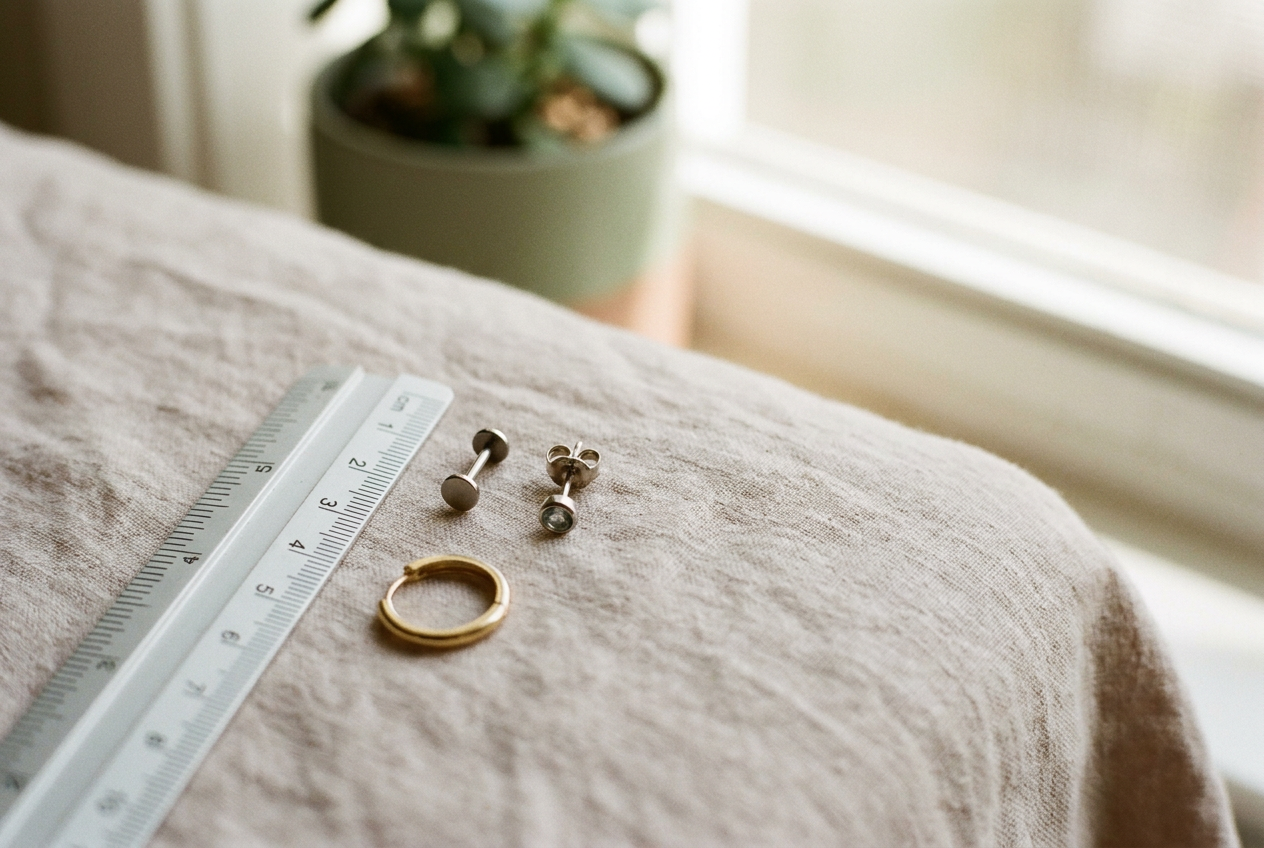
An 18g post is only 0.2 millimeter thicker than a 20g post, but it occupies much more space. Check the millimeter size, post system and top before buying.
Margot Lane · 7 min read
Jewelry & Accessories
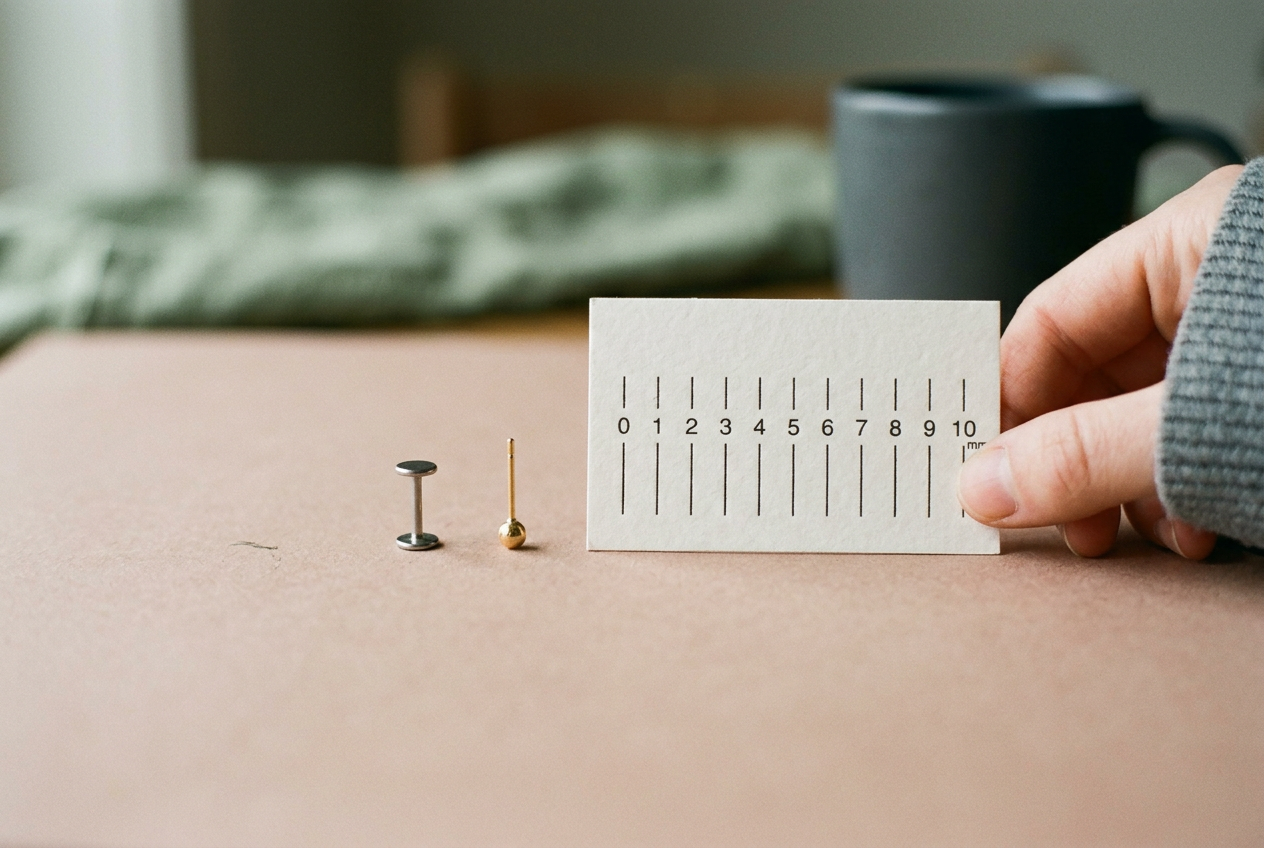
A 16-gauge post is only 0.2 millimeter wider than an 18-gauge one. That small difference is enough to stop a flat back and irritate a piercing if you push.
Margot Lane · 7 min read
Jewelry & Accessories
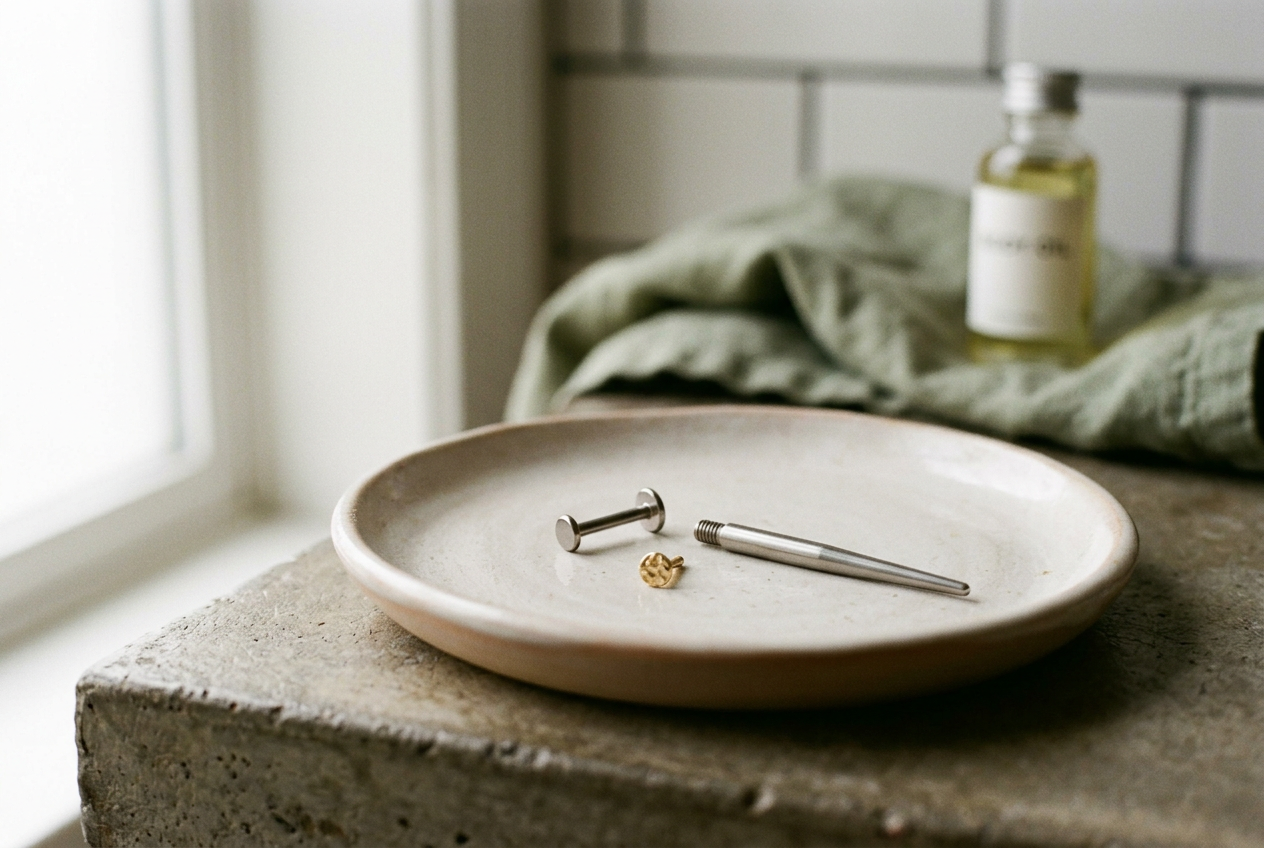
A threadless insertion taper gives a flat back post a smooth path through a healed piercing. The tool must match the post gauge, and resistance means stop.
Margot Lane · 8 min read
Jewelry & Accessories
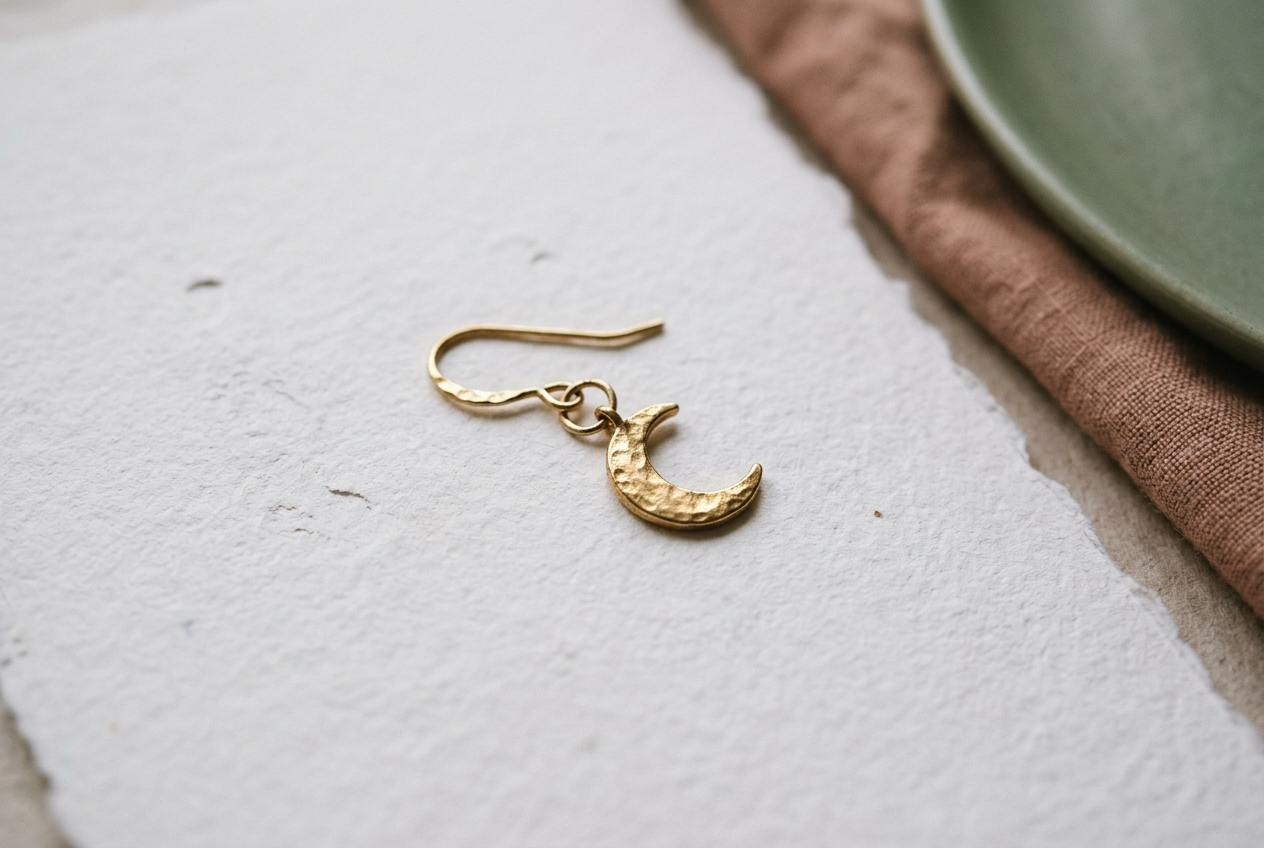
On a dangling earring, the hook is only one point of contact. The tiny ring, charm, plating, and solder all deserve the same material check.
Margot Lane · 7 min read
Jewelry & Accessories
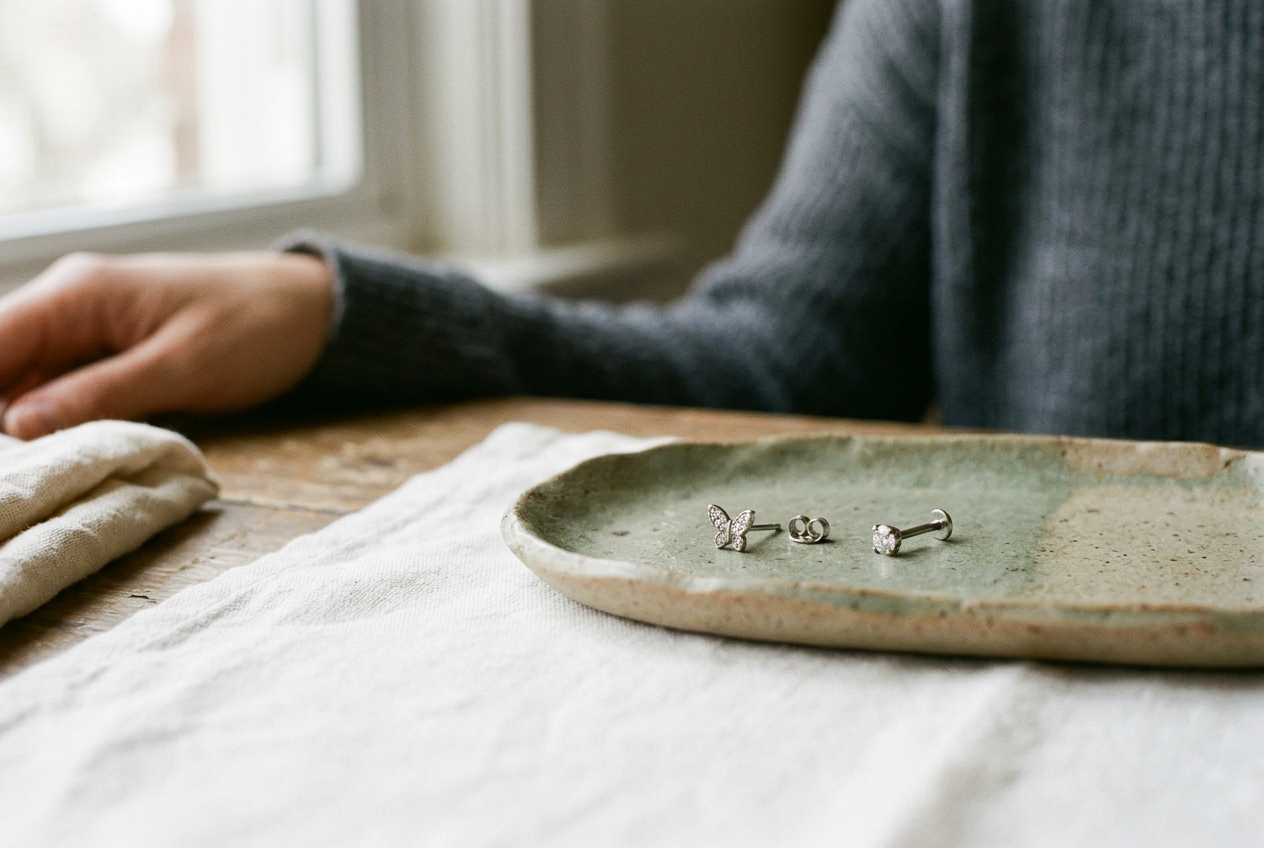
A thinner fashion stud may slide into an 18-gauge piercing, but it cannot necessarily use the flat back or decorative end already there. Gauge is only one part of the fit.
Margot Lane · 8 min read
Jewelry & Accessories
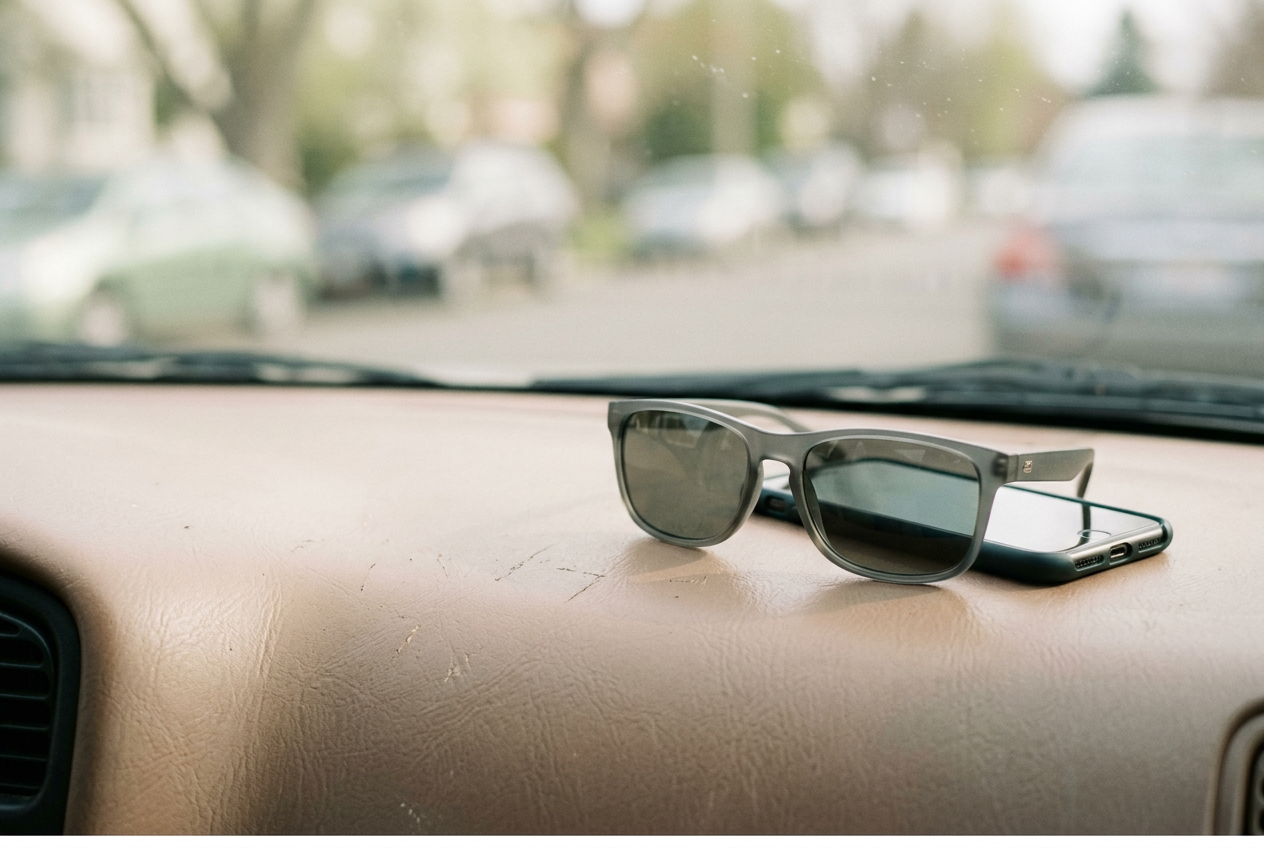
A dark tint can still be the wrong lens for the road, your phone or open water. Read the category, UV and polarization labels as separate specifications.
Margot Lane · 8 min read
Jewelry & Accessories
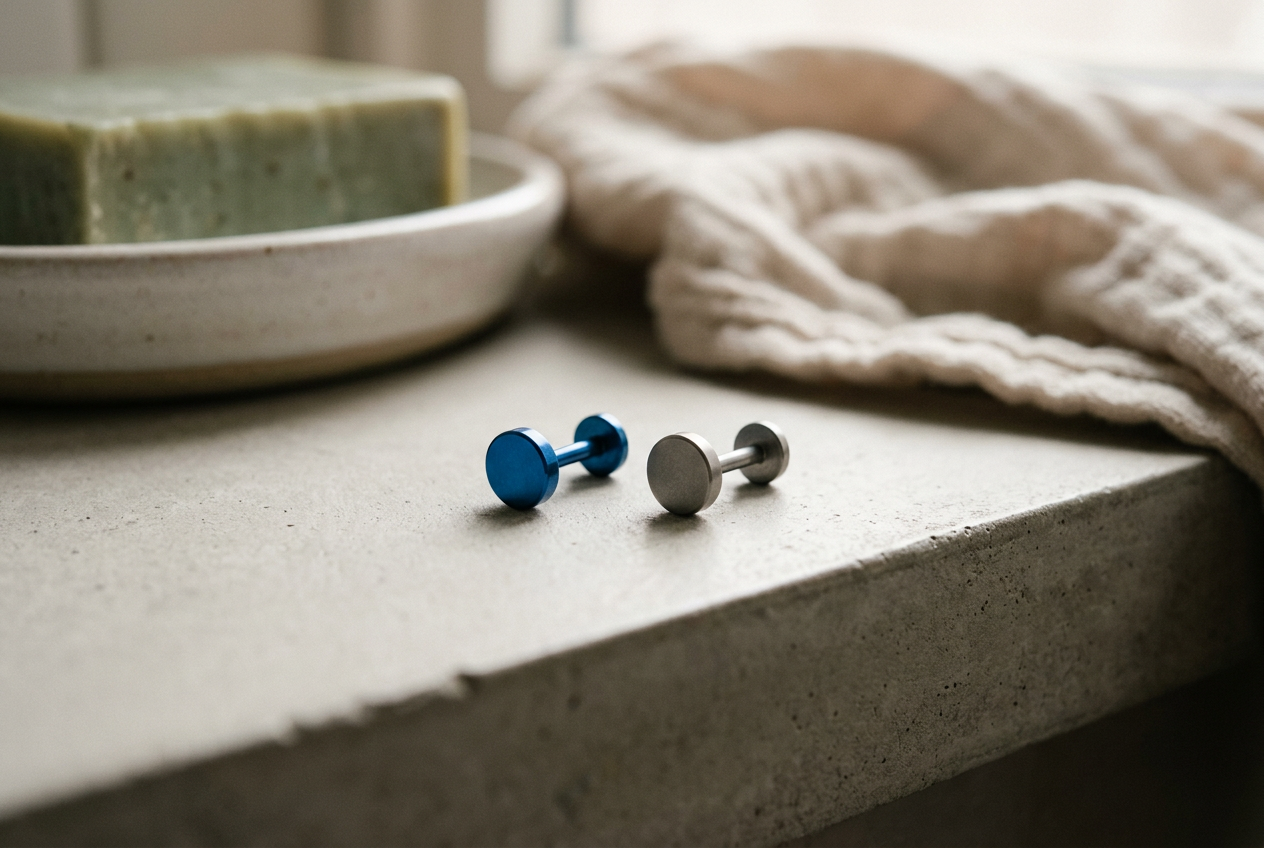
Titanium’s vivid blue, purple, and gold tones can come from its own oxide layer. That color wears differently from an applied coating, especially on earrings kept in around the clock.
Margot Lane · 8 min read

Jewelry & Accessories
Salt crystals and sunscreen make coated sunglasses look cloudy. The safe fix starts with fresh water, not the corner of a beach towel.
Margot Lane · 8 min read
Jewelry & Accessories
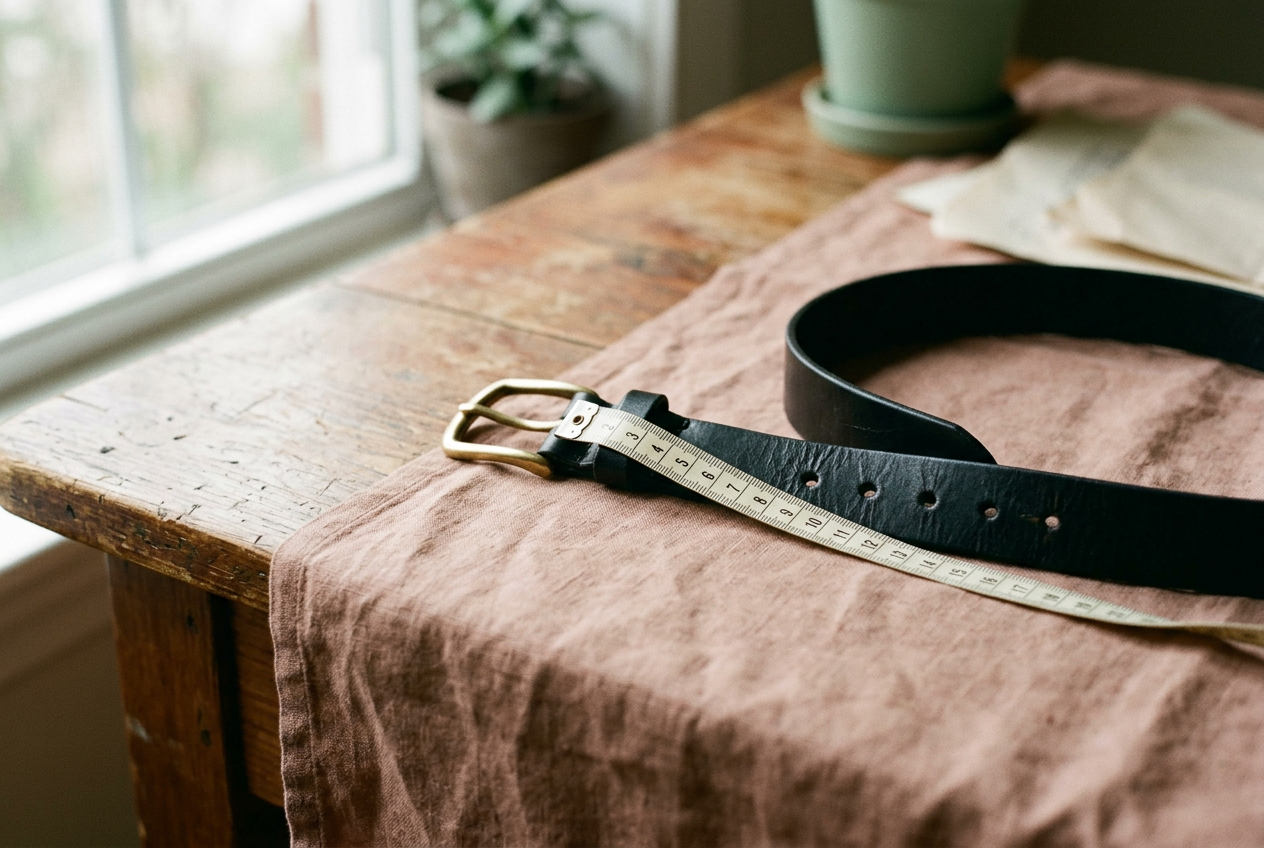
The number on a belt often measures from the buckle to its middle hole. Here is how to translate that figure when your only references are jeans, a tape measure or a secondhand listing.
Margot Lane · 8 min read
Jewelry & Accessories
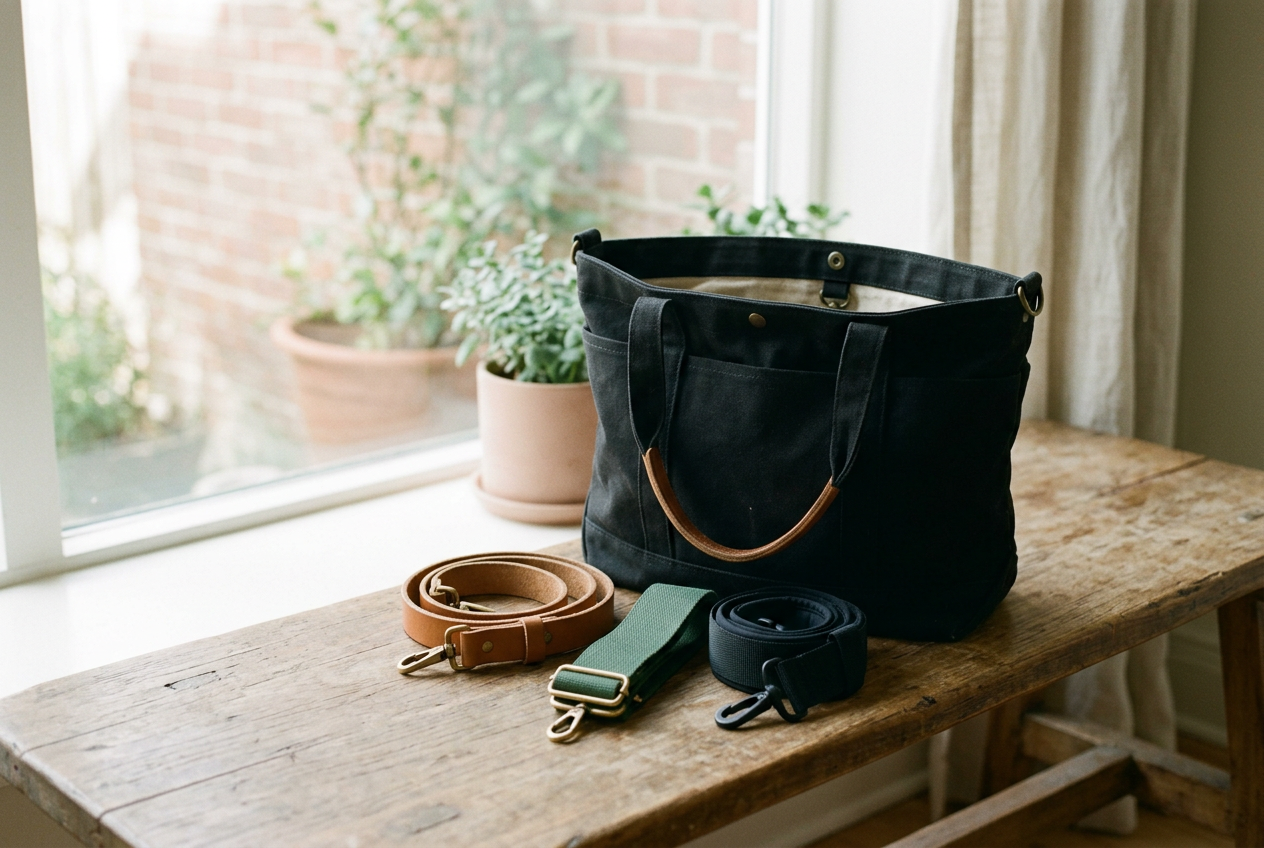
A loaded canvas tote exposed the flaws width can hide: rigid edges, thin padding and hardware that lands on the shoulder. Here is what felt better and what to check before buying.
Margot Lane · 7 min read

Jewelry & Accessories
Tint darkness, UV protection and glare control are separate specifications. Here is how to read the markings before choosing sunglasses for driving, water or high-altitude sun.
Margot Lane · 7 min read
Jewelry & Accessories
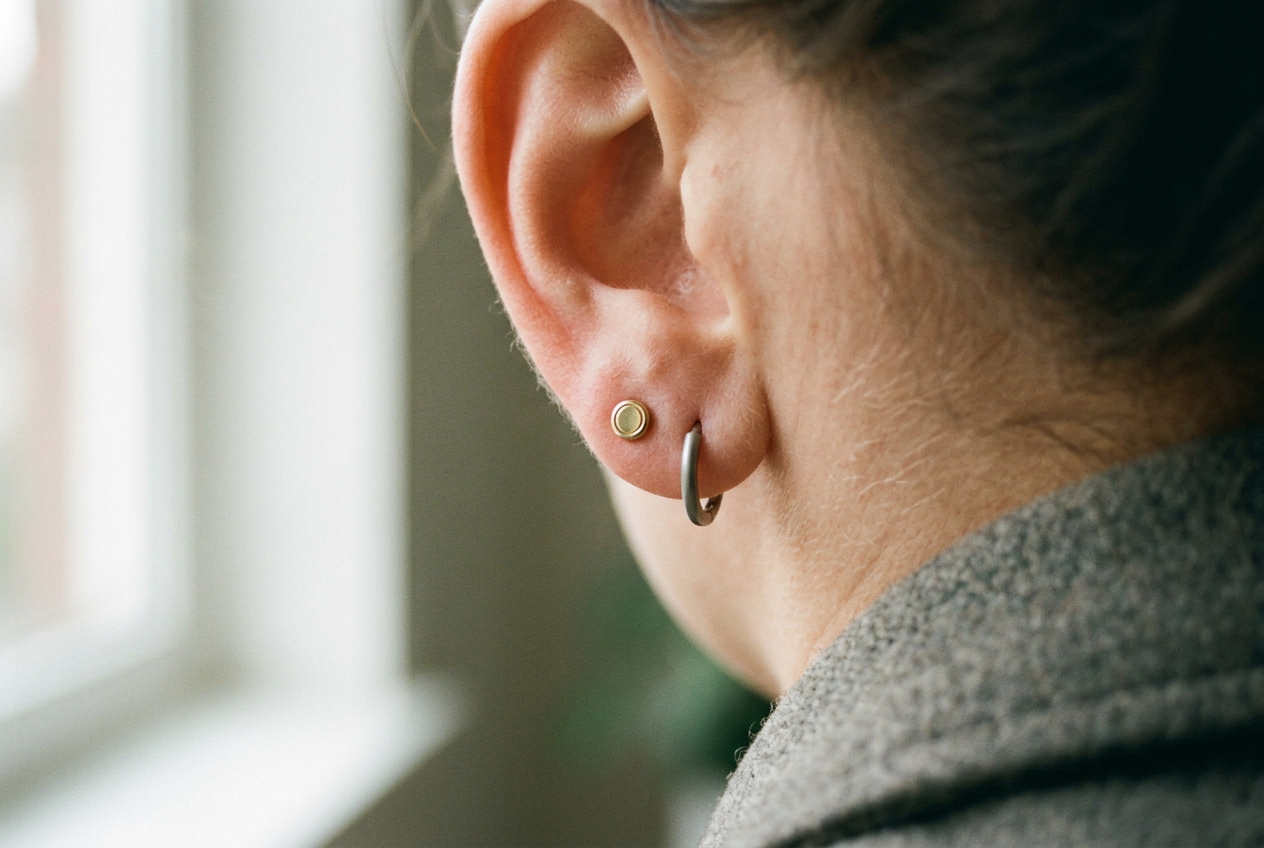
A stud’s front diameter, a hoop’s tube thickness, and the angle of each piercing determine whether a close stack sits neatly or pushes itself apart.
Margot Lane · 7 min read

Jewelry & Accessories
A 4 mm band may handle an ordinary hot day alone, then feel too tight when stacked. Here is how width, interior shape and temporary adjusters change the fit.
Margot Lane · 8 min read
Jewelry & Accessories
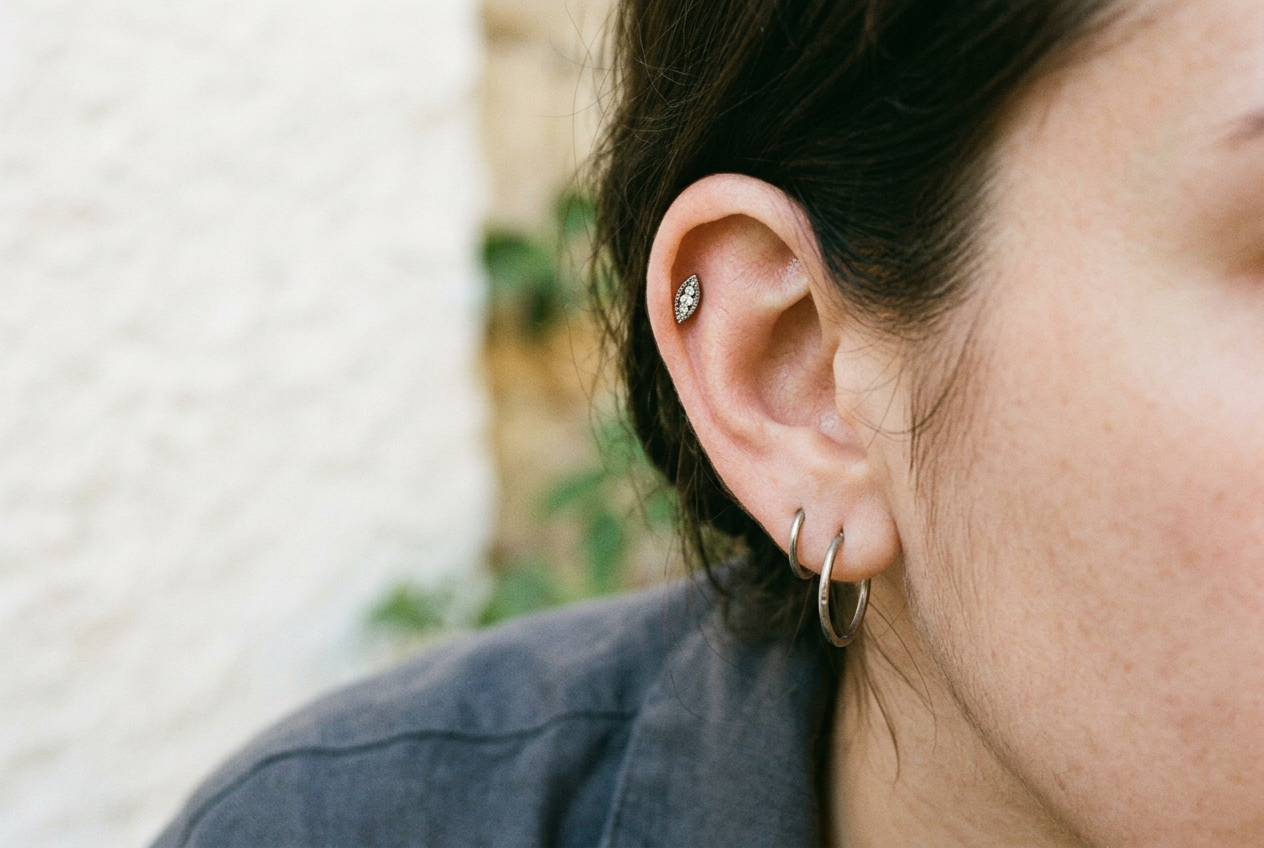
Rotation can come from the whole post, a secure threadless pin or a threaded end working loose. The movement pattern tells you whether to leave it, refit it or see a piercer.
Margot Lane · 8 min read

Jewelry & Accessories
A nearly black lens may cut brightness without blocking ultraviolet radiation. Here is how to read UV, polarization and visible-light specifications before buying.
Margot Lane · 7 min read
Jewelry & Accessories
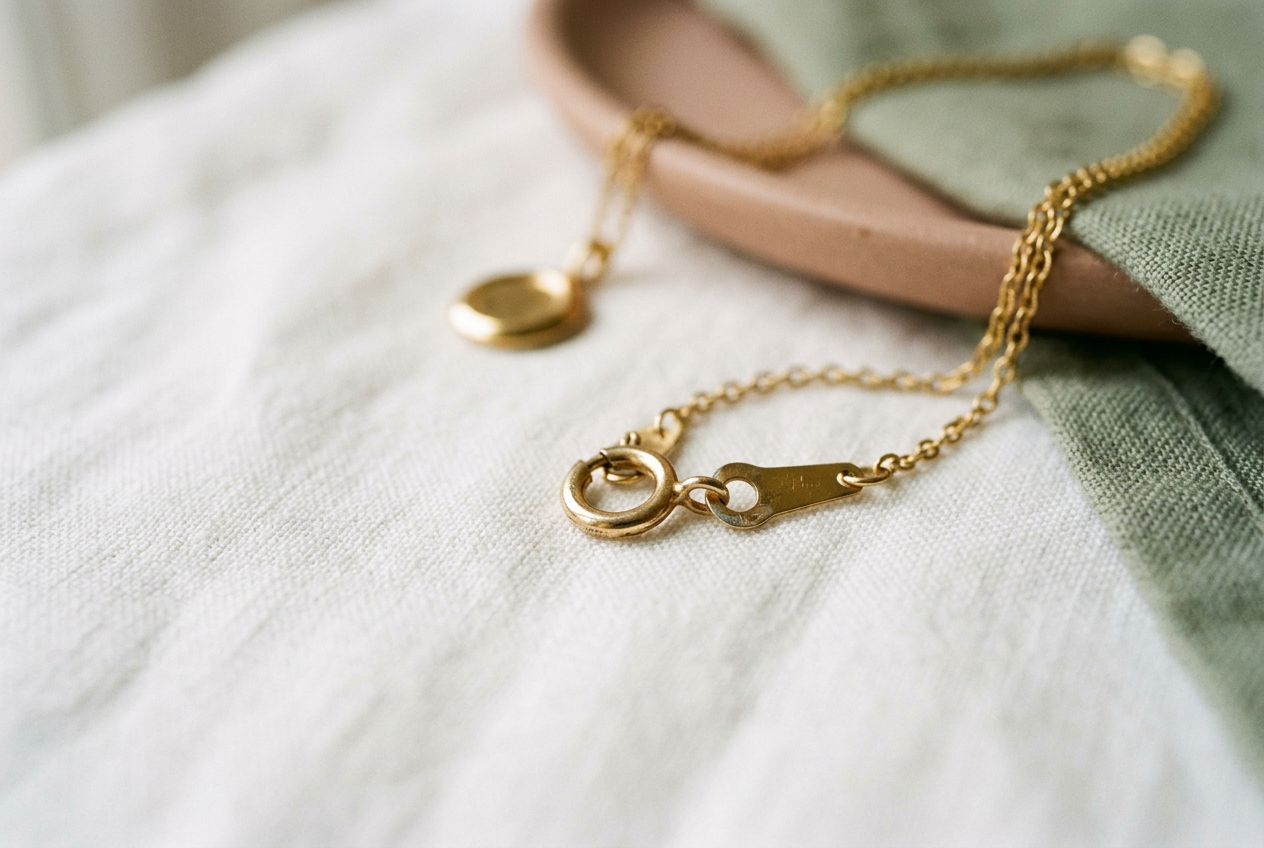
A chain’s metal label may say nothing about its clasp, connecting rings, internal spring, or solder. Check the necklace component by component before calling it nickel-free.
Margot Lane · 8 min read
Jewelry & Accessories
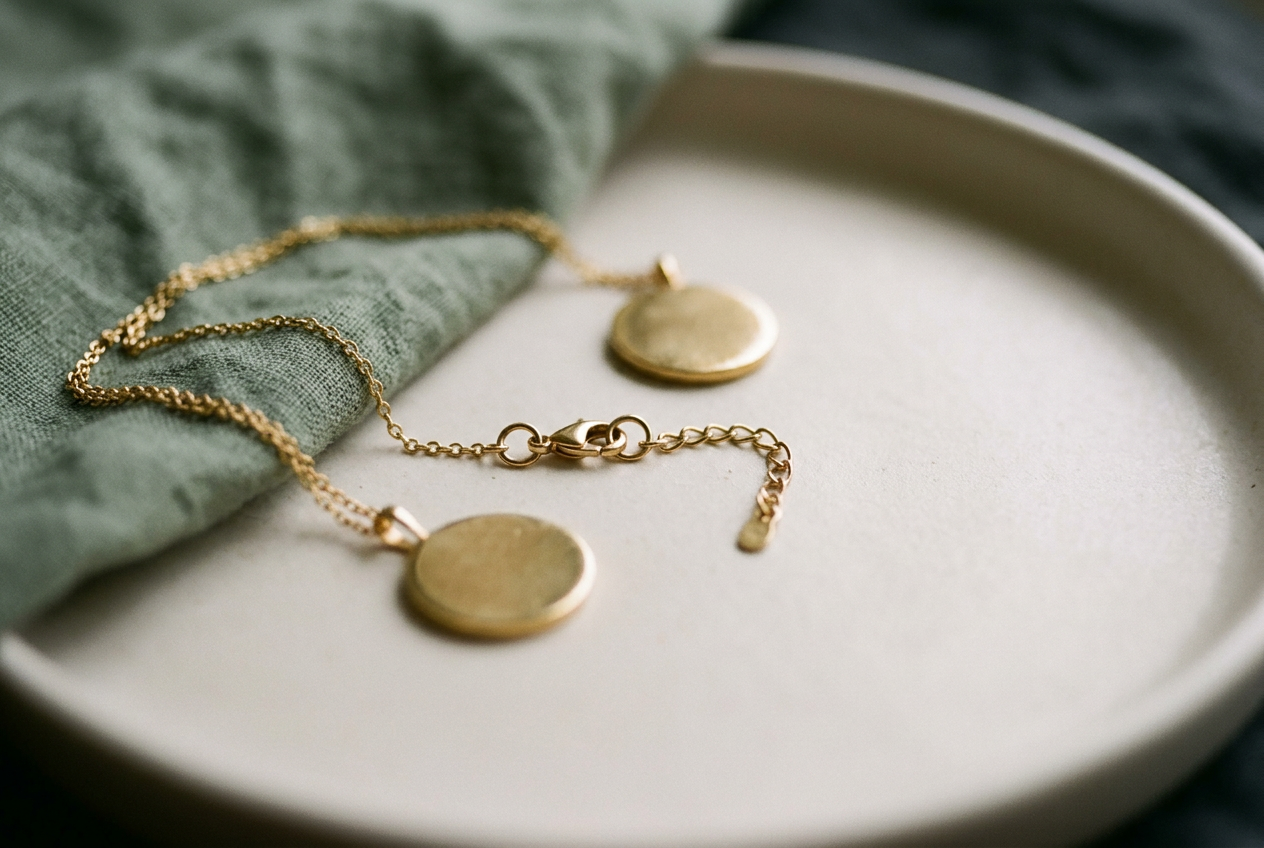
A sterling silver or vermeil pendant tells you little about the tiny hardware at your neck. Here is how to check the clasp, connecting rings, and extender before buying.
Margot Lane · 8 min read
Jewelry & Accessories
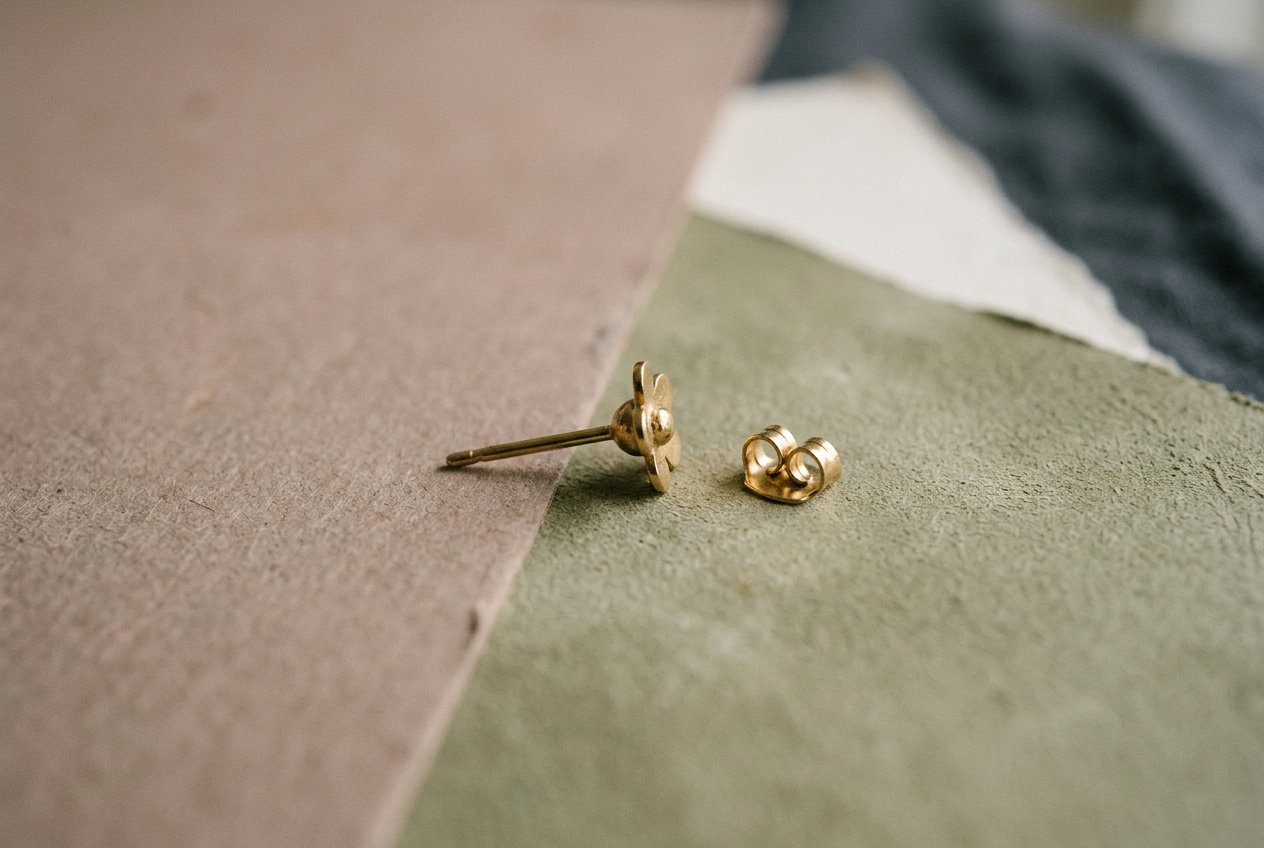
A titanium post solves one contact point. Plated fronts, solder joints, moving rings and earring backs may still expose sensitive skin to nickel.
Margot Lane · 8 min read
Jewelry & Accessories
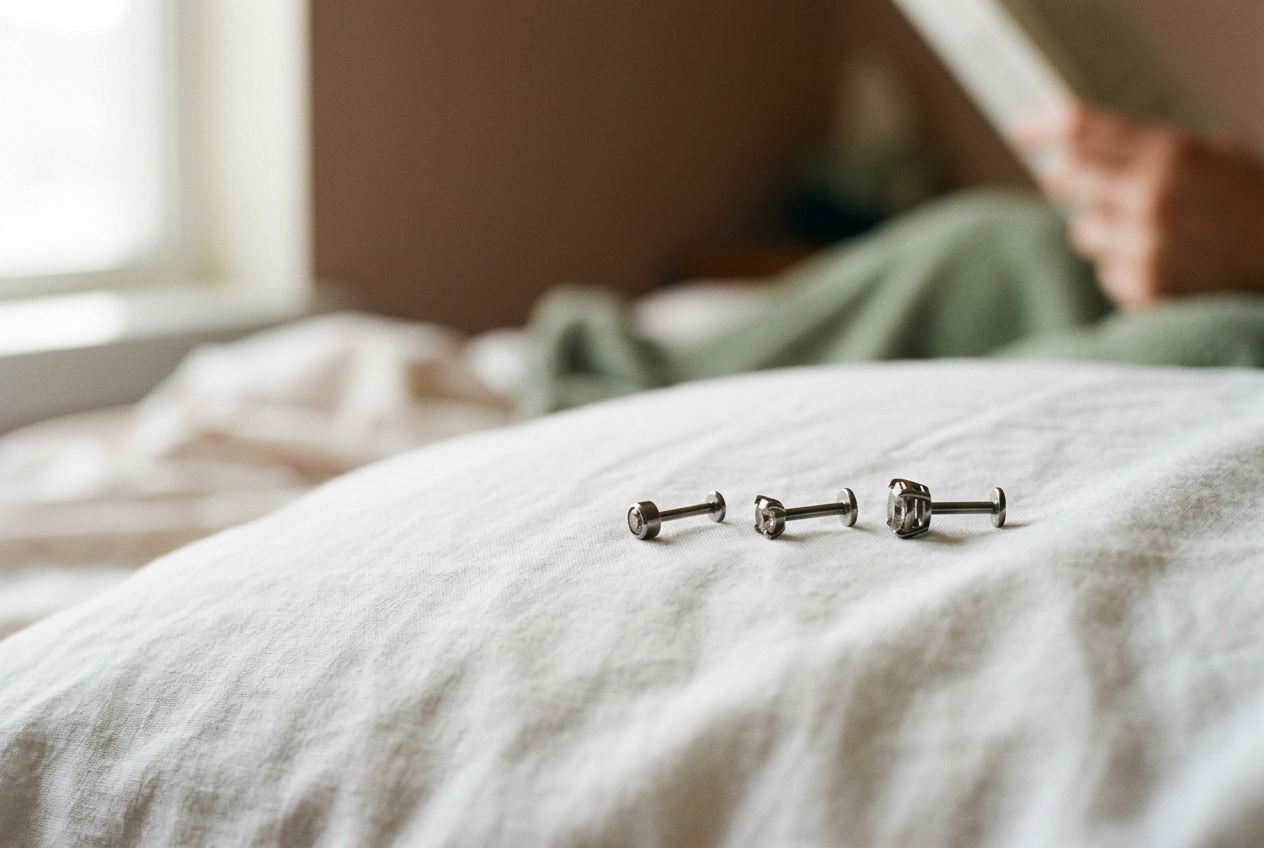
A flush disc can keep an earring from poking behind the lobe, but a tall stone setting still presses from the front. Here is how to spot the difference before buying.
Margot Lane · 7 min read

Jewelry & Accessories
A belt’s hole count tells you almost nothing about fit. Measure from the buckle to the hole you use, then check how the retailer treats buckle length and sizing.
Margot Lane · 7 min read